Top Posts
India Visa for US Citizens: Complete Guide
SIM Cards & Mobile Internet in India for...
10 Things That Surprise Americans on Their First...
Golden Triangle Tour: Plan the Perfect Delhi Agra...
Travel Insurance for India Complete Guide for International...
Golden Triangle Tour Itinerary (7 Days): The Perfect...
What Is the Golden Triangle Tour in India?...
Agra Tour Package India Travel Blog
  • Destinations
    • Agra
    • Delhi
    • Jaipur
    • Rajasthan
  • Tours
    • Golden Triangle
    • Multi-Day Tours
    • Same Day Tours
    • Family Travel
    • Festivals
    • Luxury Travel
    • Wildlife
  • Travel Guides
    • India Travel Guide
    • Things To Do
    • Travel Tips
    • Itineraries
  • Blog
  • About
  • Contact

India Visa for US Citizens: Complete Guide

August 1, 2026 0 comment

SIM Cards & Mobile Internet in India for US Tourists

July 31, 2026 0 comment

10 Things That Surprise Americans on Their First Trip to India

July 31, 2026 0 comment

Golden Triangle Tour: Plan the Perfect Delhi Agra Jaipur Trip

July 31, 2026 0 comment

Travel Insurance for India Complete Guide for International Travellers

July 31, 2026 0 comment

Golden Triangle Tour Itinerary (7 Days): The Perfect Week in Delhi, Agra...

July 29, 2026 0 comment

What Is the Golden Triangle Tour in India? Complete Travel Guide (2026)

July 29, 2026 0 comment
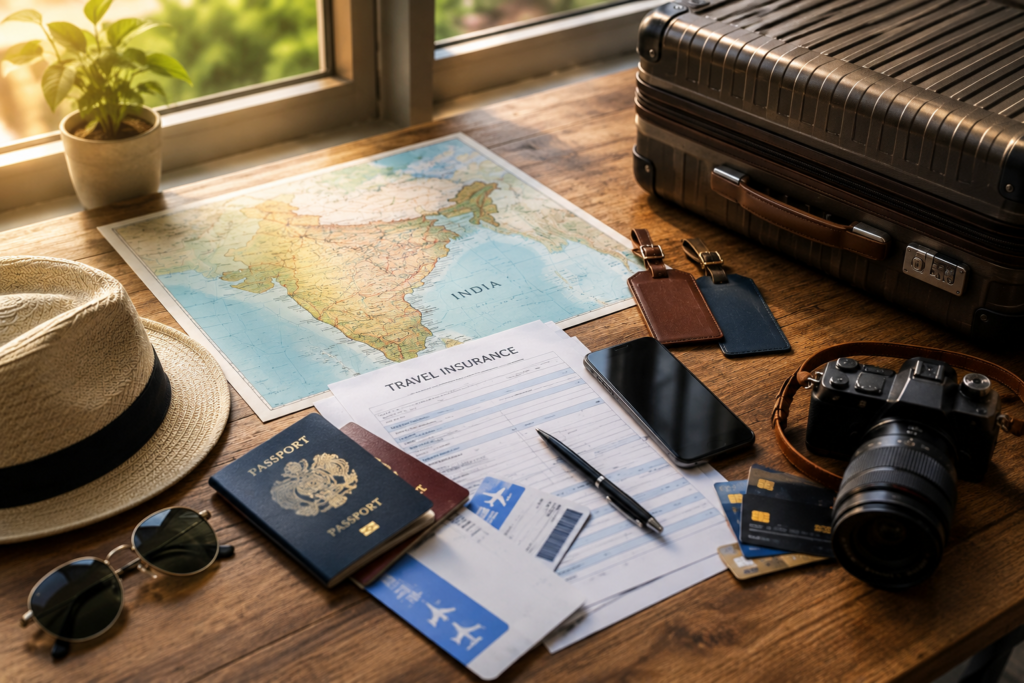
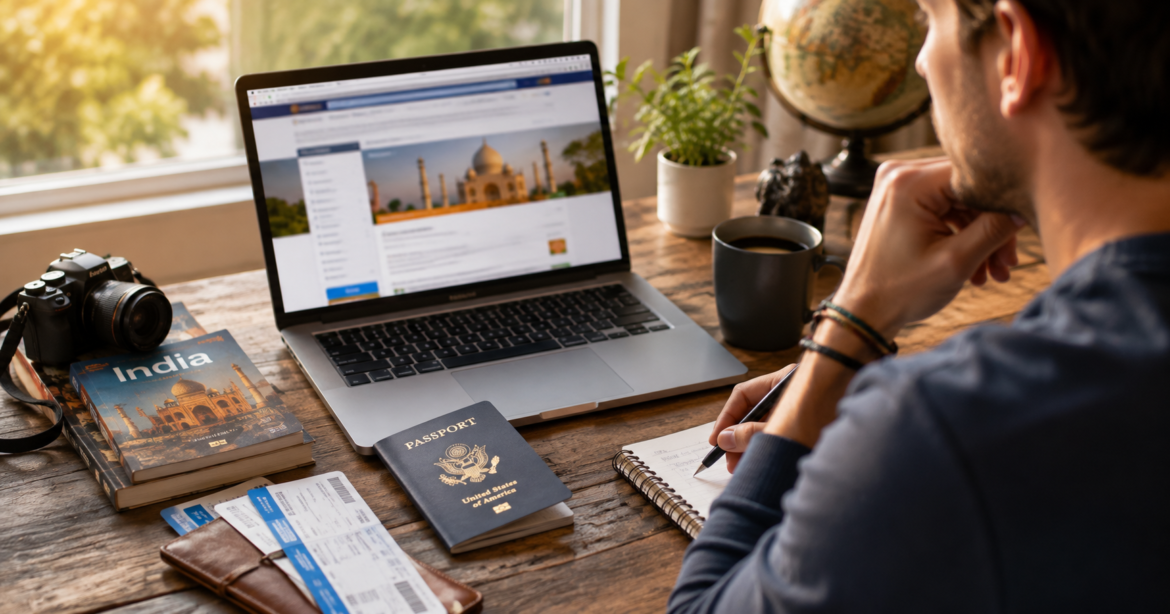
US passport and India visa application before travelling to India
BlogIndia Travel GuideTravel Tips

India Visa for US Citizens: Complete Guide

by GRD Holidays Editorial Team August 1, 2026
written by GRD Holidays Editorial Team

Applying for an Indian visa is usually one of the first steps when planning a trip from the United States.

Whether you’re travelling to admire the Taj Mahal, explore Rajasthan’s royal cities or enjoy a longer holiday across India, understanding the visa process before booking your flights can help avoid unnecessary stress.

Fortunately, many American travellers can apply online through India’s official e-Visa system for eligible travel purposes, while other travellers may require a regular paper visa depending on the purpose and duration of their visit. The Government of India also continues to offer long-validity tourist visa options for US citizens.

This guide explains the main visa options, documents you’ll generally need, how the application process works and practical advice before you travel.

If you’re organising your first visit to India, our First Time India Travel Tips article is another useful resource before finalising your travel plans.


Quick Answer

Most US citizens require a valid visa before travelling to India.

For tourism, many travellers choose the official Indian e-Tourist Visa, which is available in multiple validity periods, while others may apply for a regular tourist visa depending on their travel plans. Your passport should normally be valid for at least six months beyond your arrival and have sufficient blank pages. Always submit your application through the official Government of India visa portal.


Do US Citizens Need a Visa for India?

Yes.

US passport holders generally need a valid Indian visa before travelling to India.

Unlike destinations that allow visa-free entry for American tourists, India requires travellers to obtain the appropriate visa before departure unless they qualify under a specific exemption.

The good news is that obtaining a tourist visa is often straightforward when you prepare your documents carefully and apply through the official system.


Types of India Visas Available for US Citizens

India offers several visa categories depending on the purpose of travel.

Choosing the correct visa is important because each category has different conditions.

e-Tourist Visa

The e-Tourist Visa is one of the most popular choices for American travellers visiting India for:

  • Holidays
  • Sightseeing
  • Visiting friends or relatives
  • Short yoga programmes
  • Certain short recreational visits

The Government of India currently offers multiple e-Tourist Visa validity options, including 30-day, 1-year and 5-year visas for eligible applicants.


Regular Tourist Visa

Some travellers may prefer or require a regular paper tourist visa.

US citizens are also eligible for long-validity tourist visas issued through Indian missions, subject to current rules and eligibility.


Business Visa

If your primary reason for travelling is business meetings, commercial activities or professional work that qualifies under Indian immigration rules, a Business Visa or e-Business Visa may be appropriate instead of a tourist visa.


Medical Visa

Travellers visiting India specifically for medical treatment should normally apply for a Medical Visa or e-Medical Visa where eligible.

Separate rules apply for accompanying attendants.


Conference Visa

Visitors attending approved conferences organised by recognised government bodies or eligible organisations may need an appropriate Conference Visa or e-Conference Visa.


Which Visa Is Best for Most American Tourists?

For the majority of leisure travellers, the official e-Tourist Visa is usually the most convenient option because the application is completed online.

However, always choose the visa category that accurately reflects the purpose of your visit.

Applying for the wrong visa category can lead to delays or refusal.


Passport Requirements

Before beginning your application, check your passport carefully.

Generally, it should:

  • Be valid for at least six months from your expected arrival date.
  • Have at least two blank pages.
  • Be in good physical condition.
  • Match the personal details entered on your application exactly.

Even small spelling differences between your passport and visa application can create unnecessary problems.


Documents You’ll Usually Need

Requirements vary depending on the visa type, but American travellers commonly prepare:

  • Valid US passport
  • Recent passport-style photograph
  • Passport information page
  • Travel details
  • Email address
  • Payment method for applicable fees

Some visa categories require additional supporting documents.

Read the instructions for your specific visa before submitting the application.


How to Apply for an India e-Visa

Most eligible American tourists can complete their India e-Visa application online before travelling.

The process is completed online through the official Government of India e-Visa portal.

The basic steps are:

  1. Choose the correct visa category.
  2. Complete the online application.
  3. Upload the required documents.
  4. Pay the visa fee.
  5. Wait for processing.
  6. Receive the Electronic Travel Authorisation (ETA) if approved.
  7. Carry a copy of your approval when travelling to India.

Only use the official government website for your application. Be cautious of unofficial websites charging unnecessary service fees.


When Should You Apply?

Avoid leaving your visa application until the final few days before departure.

Applying well before your planned travel date provides time to resolve any unexpected issues, upload replacement documents if necessary and receive your approval before booking non-refundable arrangements.

Waiting until the last minute can create unnecessary stress, particularly during busy travel periods.


Common Mistakes to Avoid

Many application delays happen because of simple errors.

Some of the most common include:

  • Selecting the wrong visa category.
  • Uploading unclear photographs.
  • Entering passport details incorrectly.
  • Applying through unofficial websites.
  • Waiting until the final week before departure.
  • Travelling with a passport close to expiry.

Taking a few extra minutes to review your application before submission can help prevent many of these problems.

e-Visa vs Regular Tourist Visa

One of the most common questions American travellers ask is whether they should apply for an e-Tourist Visa or a regular tourist visa.

The answer depends mainly on your travel plans.

For most holidays, sightseeing trips and family visits, the official e-Tourist Visa is the simplest option because the application is completed online.

A regular tourist visa may be more appropriate if your travel plans fall outside the scope of the e-Visa scheme or you specifically require a paper visa issued through an Indian mission.

Quick Comparison

Featuree-Tourist VisaRegular Tourist Visa
ApplicationOnlineThrough the regular visa process
Passport submissionNormally not required for e-VisaMay be required depending on the process
Best forTourism, sightseeing, family visitsLonger or specific travel requirements
ApprovalElectronic Travel Authorisation (ETA)Visa issued through the regular system

Always select the visa category that accurately reflects the purpose of your visit. Applying under the wrong category can delay or affect your application.


How Long Can US Citizens Stay in India?

The permitted stay depends on the visa you receive.

For example:

  • The 30-day e-Tourist Visa is intended for short visits.
  • The 1-year and 5-year e-Tourist Visas allow multiple entries, but the maximum stay permitted during a calendar year is subject to current Government of India rules.
  • Long-term regular tourist visas issued to US citizens are also subject to stay limitations and applicable immigration regulations.

Always check the conditions printed on your visa approval because they take precedence over general travel advice.


How Long Does Processing Take?

Processing time varies depending on:

  • Visa category
  • Accuracy of your application
  • Supporting documents
  • Individual circumstances
  • Government processing

For regular visa applications handled through Indian Consulates, processing commonly takes up to five business days after receipt of a complete application, although some cases can take longer. e-Visa processing times also vary, so travellers should apply well before departure rather than waiting until the last few days.

A good rule is simple:

Never book an itinerary that depends on receiving your visa at the last minute.


How Much Does an India Visa Cost?

Visa fees are determined by the Government of India and may change without notice.

The total amount can vary depending on:

  • Visa type
  • Nationality
  • Validity period
  • Time of year (for certain e-Visas)
  • Applicable service charges

Rather than publishing fixed prices that may become outdated, always check the official Government of India visa website before submitting payment.


Can You Enter India Through Any Airport?

No.

Travellers using an e-Visa must arrive through authorised immigration checkpoints designated for the e-Visa scheme.

India has many approved international airports and selected seaports for e-Visa holders.

Before booking flights, confirm that your arrival airport is included in the current authorised list.


What Happens When You Arrive in India?

After landing, you’ll proceed to immigration.

Typically, immigration officers may ask questions about:

  • Purpose of your visit
  • Length of stay
  • Accommodation
  • Return or onward travel
  • Passport and visa

For e-Visa travellers, biometric information is normally collected on arrival as part of the immigration process.

After immigration, collect your luggage, complete customs formalities and continue to the arrivals area.

If you’re arranging airport transfers before your journey, our First Time India Travel Tips guide explains what to expect during your first few hours in India.


Why Are Some Visa Applications Delayed or Refused?

Many problems are avoidable.

Common reasons include:

  • Incorrect passport details
  • Blurred document uploads
  • Poor-quality passport photographs
  • Missing supporting documents
  • Choosing the wrong visa category
  • Inconsistent information
  • Applying too close to departure

Always review your application carefully before final submission.


Should You Book Flights Before Receiving Your Visa?

A cautious approach is best.

Although many travellers plan their itinerary in advance, avoid making expensive non-refundable commitments until your visa has been approved whenever possible.

The Indian Consulates also advise applicants not to finalise travel arrangements before a visa decision has been made.


Travel Insurance Is Still Important

A visa allows you to enter India.

It does not provide medical cover, trip cancellation protection or baggage insurance.

For that reason, many international travellers arrange comprehensive travel insurance before departure.

Our Travel Insurance for India guide explains what to look for when comparing policies.


Practical Tips Before Applying

These simple steps can make the process much smoother:

  • Apply well before your departure date.
  • Use the exact information shown in your passport.
  • Upload clear, high-quality documents.
  • Save digital copies of your application.
  • Print your visa approval before travelling.
  • Carry both printed and digital copies of important travel documents.
  • Keep your passport valid well beyond your planned return date.

After Your Visa Is Approved

Once your visa has been granted, you can begin organising the rest of your trip.

Important items include:

  • Flights
  • Hotels
  • Airport transfers
  • Mobile connectivity
  • Currency
  • Travel insurance
  • Sightseeing itinerary

Many first-time visitors combine Delhi, Agra and Jaipur into a single journey because it offers an excellent introduction to North India.

If that’s your plan, our Golden Triangle Tour Packages can help you compare different itineraries before finalising your travel arrangements.

Frequently Asked Questions

1. Do US citizens need a visa before travelling to India?

Yes. American passport holders generally require a valid Indian visa before travelling to India. For most leisure trips, the official e-Tourist Visa is the most popular option, although other visa categories are available depending on the purpose of travel.


2. Can US citizens apply for an India visa online?

Yes. Eligible travellers can apply through the official Government of India’s e-Visa system for tourism and certain other travel purposes.

Always submit your application through the official government website rather than unofficial third-party portals.


3. How long does it take to receive an India visa?

Processing times vary depending on the visa category and individual circumstances.

Because delays can occasionally occur, it is advisable to apply well before your intended departure date instead of waiting until the final week before travelling.


4. How long must my passport be valid?

Your passport should generally remain valid for at least six months beyond your expected arrival in India and should contain sufficient blank pages for immigration purposes.

Always verify the latest passport requirements before applying.


5. Can I visit the Taj Mahal with an e-Tourist Visa?

Yes.

Visitors travelling to India for tourism may use an appropriate tourist visa to visit attractions including:

  • Taj Mahal
  • Agra Fort
  • Jaipur
  • Delhi
  • Kerala
  • Rajasthan
  • Goa
  • Varanasi

provided the visa conditions permit tourism.


6. Should I print my e-Visa approval?

Yes.

Although many travellers keep digital copies on their phones, carrying a printed copy of your Electronic Travel Authorisation and other important travel documents is recommended.


7. Can I extend my tourist visa while in India?

Visa conditions vary depending on the category issued.

If your travel plans change, consult the relevant Indian immigration authorities rather than assuming that a tourist visa can be extended.


8. What should I arrange after my visa is approved?

Once your visa has been granted, you should begin organising:

  • Flights
  • Accommodation
  • Travel insurance
  • Airport transfers
  • Mobile connectivity
  • Currency
  • Sightseeing itinerary

Preparing these items before departure makes the first few days in India much smoother.


Conclusion

Obtaining an India visa is usually one of the first and most important steps when planning your journey from the United States.

Fortunately, the process is straightforward for many travellers when they choose the correct visa category, prepare their documents carefully and apply through the official Government of India visa system.

Rather than rushing your application a few days before departure, allow plenty of time for processing, double-check every detail you enter and keep copies of all important travel documents.

Once your visa is approved, you can focus on the exciting part of the journey—planning your itinerary, choosing your hotels and discovering some of the world’s most remarkable cultural and historical destinations.

Whether you’re visiting India for the first time or returning to explore more of the country, careful planning before departure will help ensure a smoother and more enjoyable travel experience.


Plan Your India Journey

Once your visa has been approved, you’re ready to start planning the rest of your trip.

For many American visitors, the classic Delhi–Agra–Jaipur route provides the perfect introduction to India, combining iconic landmarks, rich history and vibrant local culture in one well-balanced itinerary.

Whether you’re looking for a private Golden Triangle holiday, a Taj Mahal day tour or a customised North India itinerary, planning everything in advance allows you to spend more time enjoying your holiday and less time worrying about logistics after arrival.

August 1, 2026 0 comment
0 FacebookTwitterPinterestEmail
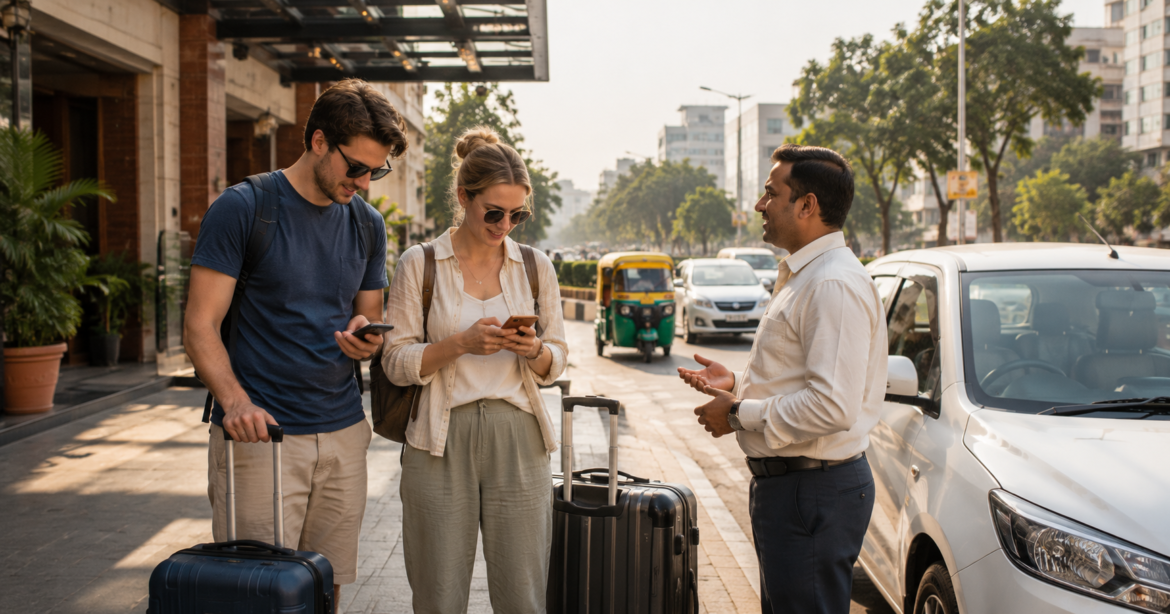
US tourists using mobile internet on smartphones while travelling in India
BlogIndia TravelIndia Travel GuideTravel GuidesTravel Tips

SIM Cards & Mobile Internet in India for US Tourists

by GRD Holidays Editorial Team July 31, 2026
written by GRD Holidays Editorial Team

Your smartphone will probably be one of your most useful travel tools during a trip to India.

You’ll use it for Google Maps, WhatsApp, hotel reservations, translation, ride bookings, flight updates, restaurant searches, photography and keeping in touch with family back home.

The good news is that mobile connectivity is widely available across India’s major tourist destinations.

The less obvious question for American visitors is:

Should you use your US carrier, buy an Indian SIM card or arrange an eSIM?

There isn’t one correct answer for everyone.

A traveller spending four days in Delhi may value convenience more than price, while someone touring India for three weeks may benefit significantly from having a local mobile connection.

This guide explains the main options so you can choose what works for your trip.

If you’re preparing for your first visit beyond just mobile connectivity, our first-time India travel tips cover many of the other practical details worth arranging before departure.

Quick Answer: What Is the Best Mobile Option for US Tourists in India?

For most American travellers, there are three practical choices:

  1. Use international roaming from your US carrier – easiest, but the cost and data allowance depend on your existing plan.
  2. Use a travel eSIM – convenient for compatible unlocked phones and particularly useful if you want data ready soon after arrival.
  3. Get an Indian SIM – potentially useful for longer stays and travellers who want a local Indian mobile number, but identity verification and activation requirements mean it may involve more setup than simply switching on US roaming.

For a short India holiday, convenience may matter more than finding the absolute cheapest data.

For a longer trip, comparing all three options before departure is worthwhile.

Before Leaving the USA: Check Your Phone First

Do this before worrying about SIM providers.

Is Your Phone Unlocked?

A locked phone may only work with your current US carrier.

If you plan to use another physical SIM or certain eSIM services, confirm that your device is unlocked before leaving the United States.

Contact your carrier if you’re unsure.

Do not wait until you’re standing in an Indian airport to discover that your phone cannot accept another network.

Does Your Phone Support eSIM?

Many recent smartphones support eSIM technology, but compatibility varies by model and region.

Check your phone’s settings or manufacturer’s specifications.

Some devices can keep your US line active while using a second eSIM for mobile data. This can be extremely convenient for travellers who still need access to their American number.

Check Your US Carrier’s India Roaming Benefits

Do not assume international roaming will automatically be expensive.

Some American plans already include certain international benefits.

For example, T-Mobile currently states that qualifying plans can include international data and texting across more than 200 countries and destinations, with the amount of high-speed data depending on the plan. It also offers international passes for eligible customers who need additional high-speed data and calling.

The important point is to check your exact plan immediately before travelling, because carrier prices, benefits and conditions can change.

Option 1: Using Your US Phone Plan in India

International roaming is the simplest option.

You land in India, switch on your phone and—assuming your plan, device and roaming settings are compatible—connect through a local partner network.

You keep:

  • Your existing US number
  • Your regular contacts
  • Your normal phone setup
  • Access to SMS messages sent to your American number

That last point can be especially useful if your US bank or another service sends security messages to your regular number.

Advantages of US Roaming

No SIM Setup

You don’t need to visit a mobile store or replace a physical SIM.

Keep Your American Number

Friends, family and services can continue reaching you through your normal number, subject to your plan’s roaming terms.

Convenient for Short Trips

If you’re only in India for a week and your existing plan includes suitable international data, the convenience may outweigh the potential savings of arranging another connection.

Disadvantages

The main issue is that benefits differ dramatically between US carriers and plans.

You need to check:

  • India data allowance
  • High-speed data limit
  • Calling charges
  • Incoming call charges
  • Hotspot restrictions
  • Daily or monthly roaming fees

Never assume that because a friend’s phone worked cheaply in India, your plan will do the same.

Option 2: Using an eSIM in India

An eSIM is a digital SIM profile installed on a compatible smartphone without inserting a physical card.

For travellers, the main attraction is convenience.

Depending on the provider and plan, you may be able to purchase and configure your travel eSIM before leaving the United States.

When you arrive in India, you activate the appropriate data line according to the provider’s instructions.

Why eSIMs Appeal to American Travellers

They can eliminate several inconveniences:

  • No physical SIM swapping
  • No tiny SIM card to lose
  • Setup can often begin before departure
  • Your US SIM can potentially remain installed
  • Useful for data-heavy applications such as maps and WhatsApp

For travellers moving between Delhi, Agra and Jaipur, having mobile data available throughout the journey is particularly helpful for checking routes, hotel details and attraction information.

But Check What You’re Actually Buying

Not every travel eSIM provides the same service.

Some are data-only.

That means you may receive internet access but not a traditional Indian mobile number for ordinary voice calls or SMS.

Before purchasing, check:

  • Total data allowance
  • Validity period
  • Whether 5G is supported
  • Whether hotspot/tethering is allowed
  • Whether voice calls are included
  • Whether SMS is included
  • Which Indian network(s) the eSIM uses
  • What happens when the data allowance runs out

A cheap eSIM is not necessarily a good deal if it provides too little data for your trip.

Option 3: Getting a Local Indian SIM Card

India has large domestic mobile networks with extensive 4G and expanding 5G connectivity.

A local SIM can be attractive to travellers staying for several weeks or those who specifically need an Indian number.

Unlike buying a prepaid SIM in some countries, however, mobile connections in India are subject to customer identity verification requirements.

Foreign visitors should therefore be prepared to provide appropriate identification and travel documentation when obtaining a local connection.

Requirements and availability can change, so confirm the current procedure with an authorised telecom retailer rather than buying a SIM from an unofficial street seller.

Major Mobile Networks in India

The major consumer networks travellers are likely to encounter include:

  • Jio
  • Airtel
  • Vi (Vodafone Idea)
  • BSNL

Network performance varies by city, neighbourhood and rural location.

In major tourism centres such as Delhi, Agra and Jaipur, mobile connectivity is generally easy to find, although signal quality can still vary inside thick historic buildings, remote areas or on certain road sections.

If you’re travelling on the classic Delhi–Agra–Jaipur route, mobile internet is useful but you should still download important information before long road journeys.

Do You Need an Indian Phone Number?

Not necessarily.

If your primary needs are:

  • WhatsApp
  • Google Maps
  • Email
  • Browsing
  • Social media
  • Hotel communication through apps

then a reliable data connection may be sufficient.

WhatsApp remains especially useful because many Indian hotels, drivers, guides and travel businesses use it for everyday communication.

However, a local number can be convenient for some domestic services and direct local calls.

Whether that convenience justifies obtaining a local SIM depends on the length and style of your trip.

How Much Mobile Data Will You Need?

This depends far more on your habits than on the number of days you’re travelling.

Light User

You mainly use:

  • WhatsApp messages
  • Email
  • Occasional Google Maps
  • Basic web searches

Your data consumption may remain relatively modest.

Average Traveller

You regularly use:

  • Google Maps
  • WhatsApp voice calls
  • Social media
  • Restaurant searches
  • Ride-hailing apps
  • Photo uploads

You’ll want a more comfortable data allowance.

Heavy User

You:

  • Stream video
  • Upload large numbers of photos
  • Make frequent video calls
  • Use your phone as a hotspot
  • Work remotely

You should pay much closer attention to high-speed data allowances rather than simply buying the cheapest plan.

Hotel Wi-Fi can reduce mobile data consumption, but don’t assume it will always be fast enough for remote work or large uploads.

Keep Your US Number Active If You Need Banking Codes

This is easy to overlook.

Before travelling, consider which accounts depend on your US mobile number for verification.

These may include:

  • Bank accounts
  • Credit cards
  • Email accounts
  • Business services
  • Airline accounts

If your phone supports dual SIM or SIM + eSIM operation, you may be able to keep your US line available while using another connection for data.

But understand your carrier’s roaming charges before leaving the US, particularly for voice calls and data.

Mobile Internet on the Golden Triangle Route

For tourists travelling between Delhi, Agra and Jaipur, smartphone connectivity is particularly useful because the journey combines city sightseeing with several hours of road travel.

You may use your phone for:

  • Hotel directions
  • Monument information
  • Translation
  • Driver communication
  • Restaurant searches
  • Weather forecasts
  • Digital tickets
  • Flight or train updates

If you’re planning this circuit, our Golden Triangle travel guide explains the broader route and practical considerations for travelling between the three cities.

Even with good mobile coverage, download offline Google Maps for Delhi, Agra and Jaipur before beginning the journey.

It costs nothing and gives you a backup if the mobile signal temporarily disappears.

Can US Tourists Buy a SIM Card at an Indian Airport?

Possibly, but don’t make your entire connectivity plan depend on finding and activating a SIM immediately after landing.

Availability, opening hours, documentation requirements and activation procedures can vary between airports and telecom outlets.

If you want a local SIM, use an authorised mobile operator store or legitimate retailer and carry the identification and travel documents required for verification.

Avoid buying an unofficial pre-activated SIM simply because it appears faster or easier.

For travellers arriving after a long international flight, having temporary connectivity through US roaming or a pre-arranged travel eSIM can make the first few hours much easier. You can then investigate a local SIM after reaching your hotel if you still need one.

Indian SIM vs eSIM vs US Roaming

The best option depends on the length of your trip and how much convenience matters to you.

FeatureUS RoamingTravel eSIMIndian SIM
Setup before IndiaUsually yesOften yesUsually no
Keep US SIM installedYesOften possibleDepends on phone
Keep US numberYesOften yes with dual SIMNot as primary local line
Indian phone numberNoOften noYes
Mobile dataYesYesYes
Local setup requiredMinimalMinimalMore likely
Identity verification in IndiaNoUsually not for travel eSIMTypically required
Good for short tripsExcellent if plan is suitableExcellentMay be unnecessary
Good for longer staysDepends on costGoodPotentially excellent
Main advantageConvenienceConvenient dataLocal connectivity

Do not select an option based solely on price.

For a seven-day holiday, saving a small amount may not justify spending valuable sightseeing time arranging a local connection.

For a month-long visit, the calculation can be very different.

Best Option for a 7-Day India Trip

For many American tourists visiting India for approximately one week, I would prioritise simplicity.

Start by checking your existing US plan.

If it already provides adequate high-speed data in India at a reasonable cost, international roaming may be all you need.

If your US carrier’s roaming option is expensive or offers insufficient high-speed data, a reputable travel eSIM can be a convenient alternative for an unlocked compatible phone.

A local Indian SIM becomes more attractive when you specifically need an Indian number or your stay is long enough to justify the additional setup.

Best Option for a 2–3 Week India Trip

For a longer holiday, data usage becomes more important.

You’ll probably use your phone regularly for:

  • Navigation
  • WhatsApp
  • Restaurant research
  • Hotel communication
  • Ride-hailing
  • Attraction information
  • Translation
  • Photo sharing

In this situation, compare the total cost and data allowance of:

US roaming vs travel eSIM vs Indian prepaid service

rather than comparing only the initial price.

If you need a local number frequently, an Indian SIM may become more useful.

Should You Buy an eSIM Before Flying?

If you choose a travel eSIM, setting it up before departure can reduce stress after landing.

However, follow the provider’s activation instructions carefully.

Some plans begin their validity period when installed, while others begin only when they first connect to a supported network.

You don’t want a seven-day plan to start several days before you reach India.

Before purchasing, verify:

  • Your exact phone model is supported.
  • Your phone is unlocked.
  • India is included.
  • Activation timing is clear.
  • Data allowance is sufficient.
  • Hotspot usage is permitted if needed.
  • The validity period covers your entire trip.

Take screenshots of the installation instructions before departure in case you need them without internet access.

Wi-Fi in Indian Hotels

Most established hotels in major tourist destinations offer Wi-Fi.

Quality varies considerably.

A luxury hotel may provide fast and reliable internet throughout the property, while a smaller hotel may have excellent reception near the lobby but weaker coverage inside certain rooms.

If reliable internet is essential for work, don’t simply look for “Free Wi-Fi” on the booking page.

Check recent guest reviews for comments about:

  • Connection speed
  • Room coverage
  • Reliability
  • Video-call performance

Remote workers should ideally maintain mobile data as a backup rather than relying entirely on hotel Wi-Fi.

Be Careful with Public Wi-Fi

Free Wi-Fi at airports, cafés, hotels and public spaces can be convenient, but unsecured networks should be treated cautiously.

Avoid performing sensitive activities such as online banking on an unknown public network.

Useful precautions include:

  • Confirm the correct network name with staff.
  • Avoid unknown open networks.
  • Keep your phone’s operating system updated.
  • Use secure websites and apps.
  • Disable automatic Wi-Fi connection.
  • Turn off file sharing.
  • Use your mobile connection for sensitive transactions when practical.

Convenience should not come at the expense of basic digital security.

WhatsApp Is Extremely Useful in India

American visitors sometimes underestimate how useful WhatsApp will be during an India trip.

Many people in the tourism industry use it regularly, including:

  • Hotels
  • Drivers
  • Tour guides
  • Tour operators
  • Restaurants
  • Small businesses

It can be easier to send your hotel location or flight details through WhatsApp than explain everything during a traditional phone call.

Install and configure the app before leaving the United States if you intend to use it.

If you change SIMs during your trip, be careful before accepting any prompt to change the phone number associated with your WhatsApp account unless you actually want to do so.

Download Offline Maps Before Travelling

Even if you purchase a large data plan, offline maps are an excellent backup.

Before departure—or while connected to reliable hotel Wi-Fi—download maps covering your main destinations.

For a classic North India trip, consider downloading:

  • Delhi
  • Agra
  • Jaipur

Offline navigation can be helpful when travelling between cities or temporarily entering an area with weaker mobile reception.

Save your important hotel locations as well.

Save Important Information Offline

Your entire holiday shouldn’t become inaccessible because your phone temporarily loses its data connection.

Keep screenshots or offline copies of:

  • Hotel addresses
  • Hotel phone numbers
  • Driver contact details
  • Flight information
  • Train information
  • Passport copy
  • Visa copy
  • Travel insurance details
  • Tour confirmation
  • Important tickets

Do not rely exclusively on an email inbox that requires an internet connection.

If you’re preparing the rest of your travel essentials as well, our India travel checklist can help organise the important items to arrange before departure.

Will Your US Charger Work in India?

Mobile internet isn’t much use if your phone has no battery.

India commonly uses a different plug configuration from the United States, and electrical supply is typically around 230V/50Hz.

Many modern phone and laptop chargers are designed for a wide input-voltage range, but check the voltage information printed on your own charger rather than assuming compatibility.

If your charger supports India’s voltage, you may only need an appropriate plug adapter.

Do not confuse a plug adapter with a voltage converter. They perform different functions.

A compact power bank is also useful during long sightseeing days, provided it complies with your airline’s rules for carrying lithium batteries.

Mobile Connectivity During Delhi–Agra–Jaipur Travel

Major cities generally provide good mobile connectivity, but road journeys should never be treated like sitting on home broadband.

Temporary signal changes can occur.

Before leaving each hotel:

  1. Download your route.
  2. Screenshot your next hotel’s address.
  3. Save your driver’s number.
  4. Keep key booking details available offline.
  5. Charge your phone.

This simple routine makes you far less dependent on continuous connectivity.

Common Mobile Internet Mistakes US Tourists Make

Assuming Their US Plan Includes India

“International coverage” can mean different things depending on the carrier and plan.

Verify India specifically.

Forgetting to Unlock the Phone

Discovering that your device is carrier-locked after arriving can make switching connectivity options difficult.

Check before departure.

Buying Too Little Data

A small plan disappears quickly if you’re constantly uploading photos, watching videos or making video calls.

Choose based on actual usage.

Leaving Data Roaming Enabled on the Wrong SIM

Dual-SIM phones provide flexibility but can also create confusion.

Make sure you know which line is being used for mobile data.

Expecting Every eSIM to Include Calls

Many travel eSIM products provide data only.

Read the plan details.

Depending Entirely on Hotel Wi-Fi

Hotel Wi-Fi is useful, but mobile data provides an important backup for navigation and communication when you’re away sightseeing.

Removing the US SIM Without Thinking About Verification Codes

If important accounts send authentication messages to your American number, consider how you’ll receive those messages before changing your phone setup.

A Simple Setup for Most American Tourists

For many US visitors, the easiest arrangement looks like this:

Before departure

Check whether the phone is unlocked → confirm eSIM compatibility → review US carrier roaming → compare an eSIM if necessary → install WhatsApp → download offline maps.

After arriving

Confirm mobile data works → keep your US number available if needed → connect to trusted hotel Wi-Fi → save your driver and hotel contacts.

You do not need the technically most sophisticated setup.

You need a connection that works reliably enough that you can enjoy the trip without constantly thinking about your phone.

Final Recommendation

For a short first-time trip to India, start by checking what your existing American carrier already provides.

If your plan includes suitable India roaming, keeping your normal number can be the simplest solution.

If roaming is expensive or limited, a travel eSIM is often worth considering for an unlocked compatible smartphone.

For longer stays or travellers who specifically need a local Indian number, obtaining a SIM from an authorised Indian telecom provider may make more sense.

Whichever option you choose, prepare before leaving home.

A few minutes spent checking phone compatibility, roaming terms, offline maps and authentication requirements can prevent hours of frustration after arrival.

Frequently Asked Questions

1. Can US tourists buy a SIM card in India?

Yes, foreign visitors can obtain mobile service in India, subject to the telecom provider’s current identity-verification and activation requirements. Use an authorised provider or retailer and be prepared to provide the required identification and travel documentation. Procedures can change, so check current requirements when you travel.

2. Is an eSIM better than a physical SIM for India?

For many short-term American visitors, an eSIM can be more convenient because a compatible unlocked phone can often be prepared before arrival. However, some travel eSIMs provide data only and do not include an Indian phone number, traditional voice calls or SMS. Check exactly what the plan includes before purchasing.

3. Will my US phone work in India?

Many modern US smartphones can work in India, but compatibility depends on your device, carrier lock status, supported network bands and chosen service. If you intend to use another SIM or eSIM, confirm that your phone is unlocked before leaving the United States.

4. Can I use my American phone number while using an India eSIM?

Often, yes, if your device supports dual-SIM functionality. You may be able to keep your US line available for calls or verification messages while using another eSIM for mobile data. Check your phone’s capabilities and your US carrier’s roaming charges before departure.

5. Is 5G available in India?

Yes, 5G services are available across many Indian cities and other covered areas, but availability depends on your network, device, plan and location. Travellers should not choose a plan solely because it advertises 5G; reliable 4G is more than adequate for navigation, messaging and most everyday travel needs.

6. Is hotel Wi-Fi enough for travelling around India?

Usually not by itself. Hotel Wi-Fi can reduce your mobile data consumption, but you’ll still benefit from mobile connectivity when navigating, communicating with drivers, using ride-hailing services or looking up information while sightseeing.

7. How much mobile data do I need for one week in India?

There is no universal amount. Travellers who mainly use WhatsApp, maps and email need considerably less data than those uploading videos, making frequent video calls or using their phone as a hotspot. Review your normal mobile usage before choosing a plan.

8. Should I arrange mobile internet before flying to India?

At minimum, compare your options before departure. Check whether your US plan includes India roaming, confirm your phone is unlocked and determine whether it supports eSIM. Having a connectivity plan before landing can make airport transfers and your first day considerably easier.

Conclusion

Staying connected in India is relatively straightforward once you understand your options.

For American tourists, the best solution usually comes down to three choices: continuing with a US carrier’s international roaming, installing a travel eSIM or obtaining a local Indian SIM.

There is no need to make the decision more complicated than it needs to be.

For a short holiday, convenience is often more valuable than saving a few dollars. If your existing US plan provides suitable India roaming, keeping your normal setup may be the easiest approach. If roaming is expensive or restrictive, an eSIM can provide a convenient alternative on a compatible unlocked phone.

For longer stays, particularly when you need an Indian number, a local SIM may become more useful.

Whatever you choose, prepare the essentials before leaving home: check your phone’s lock status, understand roaming charges, download offline maps, install the apps you’ll need and make sure you can still receive important account verification messages.

Your phone should make travelling through India easier—not become another thing you have to manage throughout your holiday.

Before You Travel to India

Mobile connectivity is only one part of preparing for an international journey.

Make sure your visa, travel insurance, payment options, accommodation, airport transfer and essential documents are organised before departure. Keeping digital and offline copies of important information can also make your first few days considerably easier.

Once those practical details are sorted, you can spend less time troubleshooting your phone and more time experiencing India.

July 31, 2026 0 comment
0 FacebookTwitterPinterestEmail
American tourists experiencing Delhi traffic on their first trip to India
BlogIndia TravelIndia Travel GuideThings To DoTravel GuidesTravel Tips

10 Things That Surprise Americans on Their First Trip to India

by GRD Holidays Editorial Team July 31, 2026
written by GRD Holidays Editorial Team

Your first morning in India can feel very different from waking up in New York, Chicago, Los Angeles or almost anywhere else in the United States.

Outside your hotel, you may hear car horns, see a centuries-old monument beside a modern metro line, smell breakfast being prepared at a roadside stall and watch an apparently chaotic intersection somehow continue to move.

Then someone offers you chai.

India isn’t simply a destination with different attractions. The rhythm of everyday life can also be different from what many American visitors are accustomed to.

Some differences require adjustment. Others quickly become favourite memories.

If this will be your first visit, our first-time India travel tips cover practical preparations before you arrive.

But these are ten experiences that may still surprise you once the journey actually begins.

Quick Answer

First-time American visitors to India are often surprised by the intensity of traffic, exceptional hospitality, affordability of many services, variety of Indian food, contrast between ancient and modern life, popularity of digital payments, scale of historic monuments and how different each city can feel.

Understanding these differences before departure can make the first few days much easier and more enjoyable.

1. The Traffic Looks Chaotic — But It Has Its Own Rhythm

For many Americans, the first drive from an Indian airport is an experience in itself.

Cars, motorcycles, auto-rickshaws, buses and pedestrians may all appear to be negotiating the same road simultaneously.

And then there are the horns.

In much of the United States, honking often signals frustration or danger. In India, horns can also function as communication between road users—a quick way of signalling presence while overtaking or moving through busy traffic.

At first, the roads may look completely unpredictable.

After a few days, however, many visitors begin noticing patterns within the apparent chaos.

What American travellers should do

If you’re visiting major tourist destinations, hiring an experienced driver can make travelling considerably more comfortable.

Avoid planning journeys solely from the distance shown on Google Maps. Traffic conditions can substantially change actual travel times.

This is particularly important on multi-city routes. Our Delhi, Agra and Jaipur distance and travel-time guide gives a more practical overview for travellers planning India’s Golden Triangle.

2. Indian Hospitality Can Feel Remarkably Personal

One of the more pleasant surprises can be how quickly an ordinary interaction becomes personal.

A hotel employee may remember how you take your coffee.

A guide may help you find a particular souvenir after the sightseeing programme has finished.

If you’re invited into an Indian home, there is a reasonable chance you’ll be offered more food than you expected to eat.

The idea that a guest deserves special treatment has deep cultural roots in India, although experiences naturally vary between people and places.

For American visitors accustomed to friendly but relatively structured service interactions, the warmth can sometimes feel surprisingly personal.

A useful cultural tip

Hospitality doesn’t mean you have to accept everything offered.

A polite:

“No, thank you.”

is perfectly acceptable if you’ve had enough food, don’t want to shop or simply need some time to yourself.

3. Indian Food Is Much More Diverse Than the Indian Food You Know in America

If your experience of Indian cuisine comes primarily from restaurants in the United States, prepare for a surprise.

There is no single “Indian food”.

The dishes eaten in Delhi can differ significantly from those found in Rajasthan, Gujarat, Kerala, Punjab or West Bengal.

Even familiar dishes may taste different from their American restaurant versions.

During a Delhi–Agra–Jaipur journey you might encounter:

  • Chole bhature
  • Parathas
  • Dal makhani
  • Paneer dishes
  • Mughlai cuisine
  • Kachori
  • Rajasthani thali
  • Lassi
  • Jalebi
  • Masala chai

Vegetarian travellers are often particularly surprised by the range of options.

Vegetarian food isn’t treated as a small alternative section on every menu. In many restaurants, it forms a substantial part—or all—of the menu.

What about spicy food?

“Indian food is spicy” is only partly true.

Indian cuisine uses many spices, but spiced doesn’t necessarily mean extremely hot.

If you’re sensitive to chilli, tell your waiter or guide that you prefer mild food rather than assuming every dish will be too hot.

4. Your Money Can Go Further Than Expected

Many American travellers are surprised by what their travel budget can provide in India.

Depending on the destination and season, services such as:

  • Private cars with drivers
  • Local guides
  • Restaurant meals
  • Laundry
  • Domestic transport
  • Comfortable hotels

may cost considerably less than comparable services in major US cities.

This is one reason travellers who normally plan independent holidays sometimes choose private touring in India.

A private driver, for example, isn’t necessarily limited to ultra-luxury travellers.

On routes such as Delhi–Agra–Jaipur, the convenience can justify the additional expense because the same vehicle can provide hotel-to-hotel transportation and sightseeing flexibility.

If you’re considering this route, our Golden Triangle tour cost guide explains the major expenses involved in planning the journey.

Don’t confuse affordability with “everything should be cheap”

This is important.

Luxury hotels, premium restaurants, domestic flights and exclusive experiences can still be expensive.

The better approach is to think of India as offering a wide range of price points, rather than expecting every product or service to cost very little.

5. The Taj Mahal Feels Different When You’re Actually Standing There

You’ve already seen it.

Probably hundreds of times.

The Taj Mahal appears in films, books, advertisements, school lessons and travel photography around the world.

That familiarity can create an unusual expectation: perhaps seeing it in person won’t feel dramatically different.

Then you walk through the entrance gateway.

The scale, symmetry and changing appearance of the marble are difficult to appreciate from photographs alone.

Many visitors are also surprised by the amount of craftsmanship visible when they get closer to the building.

The experience changes again depending on the time of day.

Early morning can provide softer light and cooler temperatures, while later hours create different colours across the marble.

If the Taj Mahal is one of the main reasons for your India trip, compare the experience in our Taj Mahal sunrise vs sunset guide before deciding when to visit.

Travellers starting in the capital can also incorporate Agra into a broader Golden Triangle tour through Delhi, Agra and Jaipur, rather than treating the Taj Mahal as an isolated day trip.

Halfway Through Your First India Trip…

By this point, something interesting often happens.

The things that felt unfamiliar during the first 24 hours begin to make more sense.

You become better at crossing busy streets.

You know how much cash to carry.

You discover which Indian breakfast you actually like.

The sound of traffic becomes less surprising.

And you begin recognising that India isn’t one experience—it changes considerably from city to city.

The next five surprises are where many first-time American visitors begin discovering that contrast.

6. Ancient and Modern India Exist Side by Side

One of the most fascinating things about travelling through India is how quickly the surroundings can change.

You might spend the morning walking through a centuries-old Mughal monument and later find yourself inside a modern shopping centre, using an app to order dinner or travelling on a contemporary metro system.

In Delhi, historic neighbourhoods such as Old Delhi coexist with business districts, luxury hotels and modern infrastructure.

Agra combines Mughal-era monuments with a busy modern city.

Jaipur’s historic bazaars and royal palaces sit alongside contemporary cafés, hotels and residential neighbourhoods.

For American visitors, this contrast can be more striking than expected because photographs of India often focus on either its historic heritage or its busiest streets. The reality is much more varied.

You may see traditional clothing beside Western fashion, centuries-old markets accepting digital payments and modern cafés operating only a short distance from ancient temples.

That contrast is not an exception to the India experience.

It is part of it.

7. Digital Payments Are Everywhere — But You Still Need Some Cash

Many Americans arrive expecting India to be primarily a cash-based destination.

That assumption can quickly change.

Digital payments have become extremely common, and QR codes can be found at restaurants, shops and many small businesses.

However, international visitors should not assume that every local digital payment method will work with a foreign bank account or credit card.

Major hotels, established restaurants and larger shops commonly accept international cards, while smaller vendors may prefer cash or domestic digital payment systems.

This means the best strategy is usually a combination of:

  • International credit or debit card
  • A reasonable amount of Indian rupees
  • Small denomination notes
  • A backup payment method

Avoid carrying excessive cash at once.

ATMs are widely available in major cities, although foreign-card fees and your own bank’s international transaction charges may apply.

For more detailed advice, our India currency and payment guide explains rupees, ATMs, cards and practical payment considerations for overseas visitors.

8. Crowds and Personal Space Can Feel Different

This can be one of the bigger adjustments for visitors arriving from the United States.

India has more than a billion people, and major railway stations, markets, monuments and city centres can become extremely busy.

During peak periods, popular attractions may feel considerably more crowded than many American travellers expect.

The concept of personal space can also feel different in queues, markets and public transportation.

That doesn’t necessarily mean someone is deliberately being rude. Social expectations around space and queuing can simply differ.

How to make busy places easier

A few simple strategies help:

  • Visit major monuments early.
  • Avoid peak commuting hours where practical.
  • Keep valuables secure in crowded areas.
  • Carry only what you need during sightseeing.
  • Follow your guide through particularly busy markets.
  • Allow additional time at railway stations and airports.

The Taj Mahal is a good example.

Visiting early can mean cooler temperatures and a more relaxed experience compared with arriving during the busiest part of the day.

Crowds are also one reason a well-paced itinerary usually works better than trying to squeeze too many attractions into a single day.

9. English Makes Travelling Easier Than Many Americans Expect

Some first-time visitors worry about how they’ll communicate in India.

The reality can be reassuring.

India is extraordinarily multilingual, with Hindi, English and numerous regional languages used across the country.

English is widely used in much of the tourism industry, particularly at:

  • Airports
  • Major hotels
  • Tourist attractions
  • Established restaurants
  • Tour companies
  • Larger shops
  • Transport services

Professional guides in popular destinations such as Delhi, Agra and Jaipur regularly work with international visitors.

That doesn’t mean everyone you meet will speak fluent English.

In local markets or smaller communities, communication may require patience, gestures or translation apps.

Learning a few simple Hindi expressions can also make interactions more enjoyable.

For example:

Namaste – Hello / greeting

Dhanyavaad – Thank you

Haan – Yes

Nahi – No

You don’t need to speak Hindi to travel around India’s main tourist destinations, but making even a small effort with local words is often appreciated.

10. The Biggest Surprise: There Is No Single “India Experience”

Perhaps the most important discovery comes after you’ve travelled beyond your first destination.

India changes.

Dramatically.

Delhi doesn’t feel like Agra.

Agra doesn’t feel like Jaipur.

And Rajasthan is completely different from Kerala, Goa, Kashmir or Varanasi.

Even travelling through the classic Golden Triangle demonstrates how much can change within a relatively short distance.

Delhi introduces you to a huge modern capital shaped by many periods of history.

Agra takes you deeper into the Mughal era through the Taj Mahal and Agra Fort.

Jaipur introduces the forts, palaces, markets and traditions of Rajasthan.

Travel farther and the contrasts become even greater.

You’ll find Himalayan landscapes in the north, tropical backwaters in Kerala, beaches in Goa, deserts in Rajasthan and completely different food traditions across the country.

This is why trying to “see India” in one short holiday isn’t realistic.

A better goal is to choose one region and experience it properly.

For many Americans visiting for the first time, Delhi, Agra and Jaipur make a practical introduction because the three cities combine some of India’s best-known landmarks without requiring multiple domestic flights.

What Usually Feels Different After the First Few Days?

The first 24 hours can involve sensory overload.

By day three or four, many things that initially seemed confusing become surprisingly normal.

You start recognising how traffic moves.

You know when to carry cash.

You understand that “Indian food” covers an enormous range of cuisines.

You become more comfortable navigating markets.

And perhaps most importantly, you stop comparing every experience with how things work back home.

That is often when travelling in India becomes much more rewarding.

Instead of asking:

“Why isn’t this like America?”

you begin asking:

“How does this work here?”

That small shift in perspective can completely change the experience.

What Americans Should Know Before Their First India Trip

India rewards preparation, but you don’t need to plan every minute.

Before departure, concentrate on the essentials:

Arrange Your Visa Early

Check India’s current official visa requirements for your nationality well before your flight.

Avoid relying on old travel blogs or social media posts for entry requirements because visa rules can change.

Consider Travel Insurance

International travel insurance can provide protection against eligible medical emergencies, cancellations, baggage problems and other unexpected disruptions.

Read the policy carefully, particularly if your itinerary includes adventure activities or existing medical conditions.

Pack for the Season

India’s weather varies dramatically by location and month.

A January morning in Delhi can feel surprisingly cool, while May afternoons in Agra and Jaipur can be extremely hot.

Pack for your actual destinations rather than treating India as having one climate.

Don’t Overplan Your Itinerary

This is especially important for Americans trying to maximise limited vacation days.

It can be tempting to fit Delhi, Agra, Jaipur, Varanasi, Mumbai and Goa into one short holiday.

You may technically reach all of them, but much of your trip could be spent checking out of hotels, travelling to airports and moving between destinations.

Fewer places with more time in each often creates a better first trip.

A Good First India Itinerary for American Travellers

For a first visit of around one week, the Golden Triangle remains one of the easiest routes to understand and organise.

A comfortable version might look like:

Days 1–2: Delhi
Days 3–4: Agra
Days 5–7: Jaipur and return to Delhi

With additional time, you could extend the journey to Ranthambore for wildlife, Udaipur for Rajasthan’s lakes and palaces or Varanasi for a completely different cultural experience.

The important point is not to add destinations simply because they’re famous.

Choose them because they fit the kind of India experience you want.

Final Thoughts

A first trip from the United States to India can challenge some expectations.

The traffic may be busier.

The flavours may be stronger.

Historic monuments may be larger than photographs suggest.

Hospitality may feel more personal.

And everyday life may operate differently from what you’re used to at home.

But those differences are precisely what make international travel worthwhile.

Arrive prepared, but don’t arrive expecting everything to work exactly as it does in America.

Give yourself enough time to adjust, stay curious and allow room in your itinerary for experiences you didn’t plan.

You may arrive in India expecting the Taj Mahal to be the story you tell everyone when you return home.

Sometimes it is.

But just as often, the lasting memory is something much smaller: morning chai, a conversation with a local guide, an unexpected meal, a market you hadn’t planned to visit or simply watching everyday life unfold from the window of your car.

Planning Your First Trip to India from the USA

If Delhi, Agra and Jaipur are on your list, begin with a comfortable itinerary rather than trying to cover too much of India at once.

Our India tour packages from the USA are designed for travellers planning their journey from the United States, while the Golden Triangle provides a practical starting point for experiencing Delhi, the Taj Mahal and Rajasthan within one trip.

Once you understand the route, you can decide whether to keep your first journey focused on North India or extend it to another region.

Frequently Asked Questions

1. Is India a good destination for American tourists?

Yes. India offers an enormous variety of experiences, including historic monuments, wildlife, food, culture, beaches, mountains and luxury hospitality. First-time visitors generally have a better experience when they choose a manageable region, allow realistic travel times and prepare for cultural differences before arriving.

2. What is the biggest culture shock for Americans visiting India?

This varies by traveller, but busy traffic, crowds, different expectations around personal space and the intensity of major cities can initially feel unfamiliar. Most visitors become more comfortable once they understand the local rhythm and stop expecting everyday situations to work exactly as they do in the United States.

3. Is India expensive for American travellers?

India can offer excellent value for US travellers, particularly for private transportation, local guides, meals and many categories of accommodation. Luxury hotels and premium experiences can still be expensive, so the overall budget depends heavily on your preferred travel style.

4. Can American tourists use credit cards in India?

International cards are commonly accepted at major hotels, established restaurants and larger businesses. Smaller shops and local vendors may prefer cash or domestic digital payment systems, so carrying some Indian rupees alongside your cards is sensible.

5. Is English widely spoken in India?

English is widely used throughout India’s tourism industry, especially at airports, hotels, major attractions and established travel businesses. However, India is highly multilingual, and English fluency varies between regions and individuals.

6. What should Americans avoid doing in India?

Avoid drinking untreated tap water, displaying valuables unnecessarily, ignoring local dress expectations at religious sites and planning extremely tight travel schedules. It is also sensible to avoid assuming that customs and service expectations will be identical to those in the United States.

7. What should I wear on my first trip to India?

Comfortable, breathable and relatively modest clothing works well for most sightseeing. Shoulders and knees should generally be covered when visiting religious sites. Your packing should also reflect the season because winter mornings in North India can be cool while summer temperatures can become extremely hot.

8. Is the Golden Triangle good for a first trip to India?

Yes. Delhi, Agra and Jaipur provide a manageable introduction to India while offering remarkably different experiences. Travellers can experience historic Delhi, the Taj Mahal and Mughal heritage in Agra, followed by Rajasthan’s forts, palaces and markets in Jaipur without relying on multiple domestic flights.

Conclusion

The things that surprise Americans on their first trip to India are not necessarily the things they remember from guidebooks.

Yes, the traffic can be intense. The crowds can take some adjustment. The food may taste different from Indian restaurants back home, and everyday routines may work differently from what you’re accustomed to.

But there are pleasant surprises too.

Private travel can be more accessible than expected. Vegetarian food is remarkably varied. English makes many travel situations easier. Indian hospitality can feel genuinely personal, and historic landmarks that you’ve seen countless times in photographs can still leave a powerful impression when you finally stand in front of them.

Perhaps the most important discovery is that India cannot be understood through a single city, monument or stereotype.

Delhi, Agra and Jaipur alone demonstrate how dramatically architecture, history, food and atmosphere can change within one relatively compact journey.

Arrive prepared, keep your itinerary realistic and remain curious about the differences.

Your first few hours in India may feel unfamiliar.

A few days later, some of those same differences may become the experiences you remember most.

July 31, 2026 0 comment
0 FacebookTwitterPinterestEmail
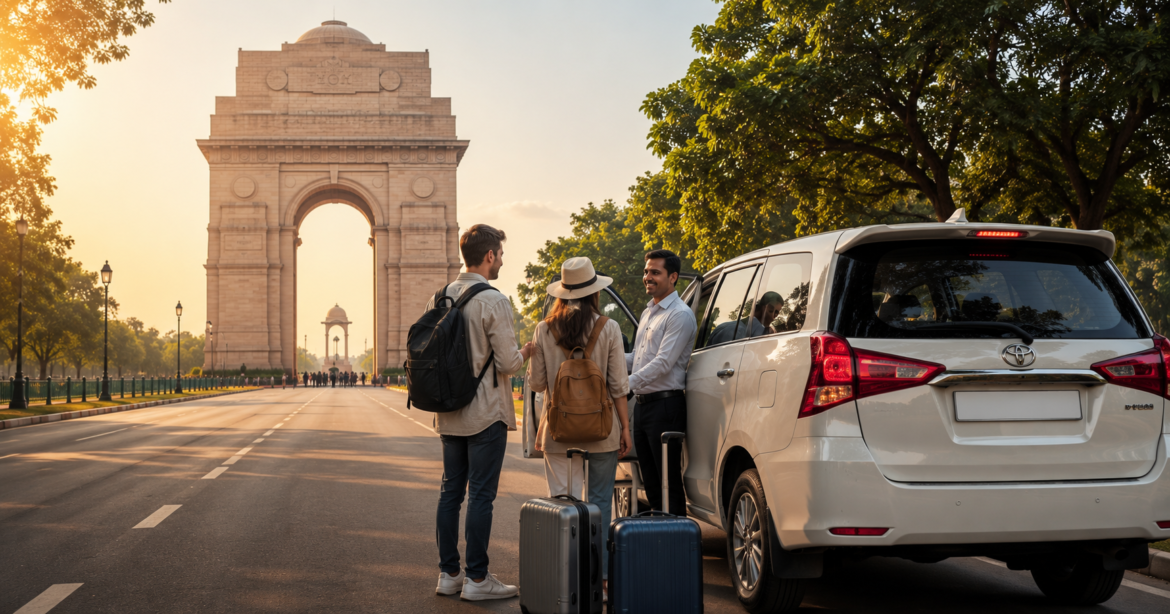
Golden Triangle Tour from Delhi beginning near India Gate
BlogGolden TriangleMulti-Day ToursTravel GuidesTravel Tips

Golden Triangle Tour: Plan the Perfect Delhi Agra Jaipur Trip

by GRD Holidays Editorial Team July 31, 2026
written by GRD Holidays Editorial Team

Golden Triangle Tour from Delhi

For many international visitors, Delhi is where an Indian adventure begins. The capital has excellent international air connections and sits at the natural starting point of India’s most famous tourist circuit: Delhi, Agra and Jaipur.

A Golden Triangle Tour from Delhi takes travellers from the historic monuments and lively neighbourhoods of the capital to the Taj Mahal in Agra and onward to Rajasthan’s royal city of Jaipur. Depending on your available time, the journey can be completed in three or four days, although five to seven days provides a much more relaxed experience.

For first-time visitors who want to understand the route before choosing an itinerary, our Golden Triangle travel guide provides a broader introduction to the destinations, planning considerations and experiences along the way.

Quick Answer: How Does a Golden Triangle Tour from Delhi Work?

The classic route begins in Delhi and follows this sequence:

Delhi → Agra → Jaipur → Delhi

Delhi to Agra is approximately 230 kilometres by road, while Agra to Jaipur is roughly 240 kilometres. The final journey from Jaipur back to Delhi is approximately 280 kilometres.

Most travellers use a private air-conditioned car with a driver because it provides door-to-door transfers and flexibility for sightseeing stops. Trains can also be used for selected sectors.

A typical trip includes:

  • Old and New Delhi sightseeing
  • Taj Mahal
  • Agra Fort
  • Fatehpur Sikri
  • Amber Fort
  • City Palace
  • Hawa Mahal
  • Jantar Mantar
  • Local markets and cultural experiences

The result is a compact journey through Mughal, Rajput and modern Indian history.

Table of Contents

  1. Why Start the Golden Triangle in Delhi?
  2. Delhi–Agra–Jaipur Route Explained
  3. How Many Days Do You Need?
  4. Day 1 – Explore Delhi
  5. Day 2 – Delhi to Agra
  6. Day 3 – Agra to Jaipur
  7. Jaipur Sightseeing
  8. Return to Delhi
  9. Best Transport Options
  10. Best Time to Travel
  11. Cost and Planning Tips
  12. FAQs

Why Start the Golden Triangle Tour in Delhi?

Delhi is the most practical starting point for overseas travellers.

Indira Gandhi International Airport receives direct and connecting flights from major cities across the USA, UK, Australia, Canada, Europe, the Middle East and Asia.

Starting here also creates a logical circular itinerary rather than repeatedly travelling over the same roads.

Delhi itself deserves time rather than being treated simply as an airport stop. The capital contains monuments representing several periods of Indian history, alongside busy markets, modern neighbourhoods and excellent restaurants.

If your schedule allows, spend at least one full day exploring the city. Our Delhi local tour package covers many of the capital’s major attractions before the journey continues towards Agra.

Understanding the Delhi–Agra–Jaipur Route

One reason the Golden Triangle works particularly well for first-time visitors is the relatively manageable distance between its three cities.

RouteApprox. DistanceTypical Road Time
Delhi → Agra230 km3–4 hours
Agra → Jaipur240 km4–5 hours
Jaipur → Delhi280 km5–6 hours

Journey times can vary with traffic, weather and sightseeing stops, so itineraries should never be planned too tightly.

For a more detailed breakdown of each sector, see our Delhi Agra Jaipur distance and travel time guide.

How Many Days Are Best?

There is no single ideal duration for every traveller.

3 Days – Fast-Paced

A three-day itinerary is possible if your schedule is extremely limited.

You will see the major highlights, but expect early starts and relatively long sightseeing days.

Our 3-day Golden Triangle itinerary is designed specifically for travellers working with a short schedule.

4 Days – Comfortable Introduction

Four days gives you more breathing room.

A typical plan could be:

Day 1: Delhi sightseeing
Day 2: Delhi → Agra
Day 3: Agra → Jaipur
Day 4: Jaipur → Delhi

Our Delhi Agra Jaipur 4-day tour is a useful option if you want to cover the essentials without extending the trip for a full week.

5 Days – Recommended for Most Travellers

Five days allows more sightseeing time in Delhi and Jaipur and reduces the need to rush between attractions.

Travellers can also include experiences such as:

  • Taj Mahal at sunrise
  • Fatehpur Sikri
  • Jaipur markets
  • Local cuisine
  • Heritage walks
  • Evening cultural experiences

You can compare the route with our Delhi Agra Jaipur 5-day itinerary .

6–7 Days – Best for a Relaxed Holiday

A week gives you time to enjoy the destinations rather than simply photograph the major landmarks and move on.

This duration works particularly well for:

  • Families
  • Couples
  • Senior travellers
  • Photography enthusiasts
  • First-time India visitors
  • Travellers staying in premium or heritage hotels

Day 1 – Discover Delhi

Begin your journey with the contrasts of Old and New Delhi.

Old Delhi

Start around the historic heart of the city.

Popular stops include:

  • Jama Masjid
  • Chandni Chowk
  • Red Fort area
  • Raj Ghat

A rickshaw ride through Chandni Chowk provides a fascinating introduction to the narrow lanes, spice shops, food stalls and markets of Old Delhi.

New Delhi

Later, explore some of the capital’s grander monuments and boulevards.

Highlights may include:

  • India Gate
  • Humayun’s Tomb
  • Qutub Minar
  • Parliament district
  • Lotus Temple

Avoid packing too many attractions into the first day, especially if you have arrived after a long international flight.

Overnight: Delhi

Day 2 – Delhi to Agra and the Taj Mahal

After breakfast, leave Delhi for Agra.

The Yamuna Expressway has made this one of the easiest long-distance road journeys on the Golden Triangle.

Travellers who only want to experience Agra without continuing to Jaipur can instead consider a dedicated Delhi to Agra tour .

After reaching Agra, check into your hotel and begin sightseeing.

Agra Fort

Start with Agra Fort, a UNESCO World Heritage Site that served as an important residence of Mughal emperors.

The massive red sandstone walls conceal:

  • Royal courtyards
  • Audience halls
  • Marble palaces
  • Mosques
  • Views towards the Taj Mahal

Mehtab Bagh at Sunset

Later in the afternoon, cross the Yamuna to Mehtab Bagh.

The riverside garden provides a beautiful view of the Taj Mahal, particularly as the light softens towards sunset.

It also gives you a completely different perspective from the famous symmetrical view inside the Taj Mahal complex.

Should You Visit the Taj Mahal at Sunset or Sunrise?

If your itinerary includes an overnight stay in Agra, consider saving the main Taj Mahal visit for the following morning.

Sunrise often offers softer light, cooler temperatures and a memorable atmosphere.

Our Taj Mahal sunrise vs sunset guide explains the advantages of both options so you can decide which suits your itinerary.

Overnight: Agra

The next stage of the journey begins with the Taj Mahal at sunrise before travelling through Fatehpur Sikri towards Jaipur.

Day 3 – Taj Mahal at Sunrise and Drive to Jaipur

Wake before sunrise for the most anticipated experience of the journey: seeing the Taj Mahal in the gentle morning light.

The monument was commissioned by Mughal emperor Shah Jahan in memory of his wife Mumtaz Mahal and is today recognised as a UNESCO World Heritage Site. Its white marble exterior changes subtly with the light, which is one reason early morning remains a favourite time for photographers.

Arriving early can also mean cooler temperatures and a calmer atmosphere than later in the day.

Before deciding exactly when to arrive, check our Taj Mahal opening hours guide. Travellers who want the entire morning organised can also consider a sunrise Taj Mahal tour with local sightseeing arrangements.

Practical Tips for Visiting the Taj Mahal

Allow roughly two to three hours if you want to explore the complex without rushing.

Keep in mind:

  • Security screening takes place before entry.
  • Large bags and certain restricted items cannot be carried inside.
  • Comfortable footwear is recommended.
  • Carry your passport or appropriate identification if required for your ticket.
  • Photography rules differ in certain areas.
  • The Taj Mahal is normally closed to general visitors on Fridays.

If photography is important to you, our Taj Mahal photography tips explain useful viewpoints, lighting conditions and practical considerations.

After your visit, return to the hotel for breakfast and check out.

Agra to Jaipur via Fatehpur Sikri

The drive from Agra to Jaipur is not simply a transfer day. One of the most historically significant stops on the Golden Triangle lies along this route.

Fatehpur Sikri

Approximately 40 kilometres from Agra, Fatehpur Sikri was developed by Mughal emperor Akbar in the 16th century.

The historic complex contains an impressive collection of palaces, courtyards and religious buildings.

Important sights include:

  • Buland Darwaza
  • Jama Masjid
  • Tomb of Salim Chishti
  • Diwan-i-Khas
  • Panch Mahal
  • Royal courtyards

Allow around one-and-a-half to two hours for a meaningful visit rather than treating it as a quick photo stop.

Afterwards, continue towards Jaipur through the landscapes of Rajasthan.

Depending on your pace and departure time, you will generally reach Jaipur by late afternoon or evening.

Check into your hotel and enjoy a relaxed evening.

Overnight: Jaipur

Day 4 – Jaipur’s Forts, Palaces and Pink City

Jaipur provides a dramatic change of atmosphere after Delhi and Agra.

Known as the Pink City, Rajasthan’s capital combines grand Rajput architecture, colourful bazaars and royal traditions.

If Jaipur is one of the highlights of your trip, our Jaipur sightseeing tour provides a more detailed way to explore the city’s major attractions.

Amber Fort

Begin early at Amber Fort, located on the hills outside central Jaipur.

The impressive complex overlooks Maota Lake and contains elaborate gateways, courtyards and royal apartments.

Highlights include:

  • Ganesh Pol
  • Sheesh Mahal
  • Diwan-i-Aam
  • Diwan-i-Khas
  • Royal courtyards
  • Panoramic viewpoints

Starting early is particularly worthwhile during warmer months because much of the visit involves walking.

Jal Mahal

On the return towards Jaipur, stop beside Man Sagar Lake for views of Jal Mahal.

The palace appears to float on the water and is one of the city’s most recognisable photography locations.

It is primarily a viewpoint stop rather than a conventional palace visit.

City Palace

Continue to the City Palace in central Jaipur.

The complex combines Rajput and Mughal architectural influences and includes courtyards, gateways, museums and royal collections.

Parts of the palace continue to be associated with Jaipur’s royal family.

Jantar Mantar

Next door is Jantar Mantar, an extraordinary collection of astronomical instruments constructed during the reign of Sawai Jai Singh II.

A knowledgeable guide can make this site considerably more interesting by explaining how the enormous instruments were designed to observe astronomical movements and measure time.

Hawa Mahal

Finish the main sightseeing programme around Hawa Mahal.

The Palace of Winds is famous for its distinctive multi-windowed façade overlooking Jaipur’s old city.

Rather than simply stopping outside for a photograph, spend some time exploring the surrounding streets and markets. This is where Jaipur’s everyday character becomes more visible.

For travellers who want a dedicated programme covering the city, our Jaipur city tour package can be incorporated into a longer India itinerary.

Overnight: Jaipur

Day 5 – Jaipur to Delhi

After breakfast, begin your return journey to Delhi.

The distance is roughly 280 kilometres, but road conditions and traffic approaching the capital can affect journey times. Avoid scheduling an international flight too close to your expected arrival time.

If possible, stay overnight in Delhi before a long-haul flight. This provides a useful buffer against unexpected road delays.

Travellers with additional days do not necessarily need to return immediately. Jaipur can also become the starting point for a longer journey into Rajasthan.

Private Car or Train: Which Is Better?

Both can work, but they offer very different experiences.

FactorPrivate CarTrain
Door-to-door travelExcellentLimited
Schedule flexibilityExcellentFixed
Luggage convenienceExcellentModerate
Sightseeing stopsEasyDifficult
Fatehpur Sikri en routeConvenientRequires planning
Local transfersIncluded if arrangedSeparate
ExperiencePrivate and flexibleMore local

Why Many International Travellers Choose a Private Car

The greatest advantage is flexibility.

Your driver can collect you directly from the hotel, stop when necessary and take you directly to your next accommodation.

This becomes particularly valuable between Agra and Jaipur because Fatehpur Sikri can be incorporated naturally into the journey.

Families, senior travellers and visitors carrying substantial luggage often find this arrangement more comfortable.

When Does the Train Make Sense?

Train travel can be worthwhile when you want a faster connection on a specific sector or want to experience India’s railway system.

For example, travellers interested primarily in Delhi and Agra can compare road travel with a same-day Taj Mahal tour by train.

For the complete Delhi–Agra–Jaipur circuit, however, a private vehicle generally provides greater itinerary flexibility.

Best Time for a Golden Triangle Tour from Delhi

The circuit operates throughout the year, but weather conditions can significantly affect your experience.

October to March

This is generally the most comfortable period for sightseeing.

Expect cooler conditions, particularly during mornings and evenings.

December and January can bring fog to Delhi and Agra. This occasionally affects road, rail and air schedules and can also reduce early-morning visibility.

April to June

Summer can be extremely hot, particularly during the afternoon.

If travelling during this period:

  • Start sightseeing early.
  • Carry drinking water.
  • Use sun protection.
  • Schedule indoor attractions during the hottest hours.
  • Choose an air-conditioned vehicle.

The advantage is that some attractions may feel less crowded than during peak winter.

July to September

The monsoon brings humidity and periodic rain but also greener landscapes.

Rainfall is not necessarily continuous throughout the day, so the circuit remains possible with a flexible itinerary.

For a detailed month-by-month comparison, read our best time for the Golden Triangle India guide before selecting your travel dates.

How Much Does the Tour Cost?

There is no single fixed price because the total depends on:

  • Number of travellers
  • Number of days
  • Hotel category
  • Vehicle type
  • Guide services
  • Monument entrance fees
  • Meals
  • Airport transfers
  • Travel season
  • Optional experiences

A couple staying in comfortable mid-range hotels will naturally have a different budget from a family requiring multiple rooms or travellers choosing five-star heritage properties.

Rather than judging packages only by the headline price, compare exactly what is included.

Our Golden Triangle tour cost guide provides a more detailed explanation of the expenses involved.

Choosing Hotels in Delhi, Agra and Jaipur

Hotel location can make a noticeable difference to your experience.

A cheaper hotel far outside the main sightseeing areas may save money on the room but add unnecessary driving every morning and evening.

In Delhi, consider your arrival airport, sightseeing plans and onward route.

In Agra, staying overnight is particularly worthwhile if you want to visit the Taj Mahal at sunrise. Our guide to hotels in Agra can help you understand the available accommodation options.

Jaipur offers everything from modern international hotels to atmospheric heritage properties.

Choose according to your preferred balance of comfort, location and local character.

Expert Planning Tips

A few decisions can make the journey considerably smoother:

  1. Do not make the itinerary too tight. Five days is much more comfortable than trying to squeeze everything into three.
  2. Stay overnight in Agra. It makes an early Taj Mahal visit considerably easier.
  3. Start sightseeing early. You’ll often encounter cooler temperatures and fewer crowds.
  4. Use local guides selectively. Good guides add considerable context at monuments such as the Taj Mahal, Agra Fort, Fatehpur Sikri and Jaipur’s historic sites.
  5. Keep some flexibility. Traffic, weather and monument queues are part of travelling in India.
  6. Check monument closures before finalising dates. In particular, plan carefully around the Taj Mahal’s Friday closure.
  7. Avoid booking a tight international connection after Jaipur. Build a buffer into the final return to Delhi.

Common Mistakes to Avoid

Trying to See Too Much

More attractions do not automatically make a better holiday.

Three meaningful monument visits can be more rewarding than rushing through seven locations simply to complete a checklist.

Treating Agra as Only the Taj Mahal

The Taj Mahal deserves its fame, but Agra Fort and the city’s Mughal heritage add important historical context.

Underestimating Driving Time

Distances may appear manageable on a map, but traffic can change actual journey times.

Always keep some flexibility.

Choosing Hotels Only by Price

Location, cleanliness, recent guest reviews and access to sightseeing areas are often more important than saving a small amount on the nightly rate.

Ignoring the Season

A sightseeing schedule that works perfectly in January may feel exhausting in May.

Adapt your daily programme to the weather rather than following the same itinerary year-round.

Is Starting from Delhi the Best Choice?

For most overseas visitors, yes.

Delhi combines an international gateway with excellent connections to Agra and Jaipur, making it the natural starting and finishing point for the circuit.

It also means the trip develops gradually: first the complexity of India’s capital, then the Mughal heritage of Agra, followed by the royal character of Rajasthan.

That progression is one of the reasons the Golden Triangle remains such a rewarding introduction to North India.

Frequently Asked Questions About Golden Triangle Tours from Delhi

1. What is a Golden Triangle Tour from Delhi?

A Golden Triangle Tour from Delhi is a multi-city journey connecting Delhi, Agra and Jaipur. Most itineraries begin with sightseeing in Delhi, continue to Agra for the Taj Mahal and Agra Fort, travel onwards to Jaipur for its forts and palaces, and finally return to Delhi.

2. How many days are enough for Delhi, Agra and Jaipur?

Four days is possible, but five to seven days provides a much more comfortable experience. Travellers with a full week can spend more time sightseeing, enjoy local markets and cultural experiences, and avoid rushing between cities.

If you’re unsure about the ideal duration, our guide to how many days you need for the Golden Triangle compares different itinerary lengths.

3. How far is Agra from Delhi?

Agra is approximately 230 kilometres from Delhi by road. The journey commonly takes around three to four hours using the Yamuna Expressway, although actual travel time depends on your starting point and traffic conditions.

4. Should I visit Agra or Jaipur first from Delhi?

The classic route is Delhi → Agra → Jaipur → Delhi.

This sequence works particularly well because Agra is easily accessible from Delhi via the Yamuna Expressway, while Fatehpur Sikri can be visited naturally during the onward journey from Agra to Jaipur.

5. Can I complete the Golden Triangle by private car?

Yes. A private air-conditioned car with a driver is one of the most convenient ways to complete the circuit.

It provides door-to-door transportation, flexible departure times and the ability to stop at attractions along the route.

6. Is a Golden Triangle Tour suitable for first-time visitors to India?

Yes. It is particularly popular among first-time visitors because Delhi, Agra and Jaipur offer three very different introductions to Indian history, architecture, cuisine and culture within a relatively compact geographical area.

If this is your first holiday in the country, our first-time India travel tips cover practical topics worth understanding before departure.

7. Can I customise the itinerary?

Yes. A private itinerary can normally be adjusted according to your arrival time, hotel preferences, interests and number of available days.

Popular extensions include Ranthambore National Park, Udaipur, Varanasi, Amritsar and Goa.

Travellers interested in wildlife can explore a Golden Triangle tour with Ranthambore , combining the classic cultural route with a national park experience.

8. What should I pack for the Golden Triangle?

Pack according to the season, but comfortable walking shoes, lightweight clothing, sun protection and modest clothing for religious sites are useful throughout much of the year.

Winter travellers should bring warmer layers for early mornings, particularly in Delhi and Agra.

Our Golden Triangle packing guide provides a more detailed checklist.

Conclusion

A Golden Triangle Tour from Delhi is one of the most practical and rewarding ways to experience North India for the first time.

Starting in the capital gives international travellers convenient access to the route while also providing an opportunity to experience Delhi’s remarkable contrast between historic neighbourhoods and modern India.

From there, the journey moves to Agra, where the Taj Mahal and Agra Fort reveal the grandeur of the Mughal era. Continuing through Fatehpur Sikri towards Jaipur introduces another side of Indian history through Rajasthan’s hill forts, royal palaces, colourful bazaars and distinctive traditions.

The route can be completed quickly, but there is a significant difference between simply seeing the Golden Triangle and genuinely experiencing it.

If your schedule allows, give yourself at least five days. Travellers with six or seven days can slow the pace further, spend more time at individual attractions and add cultural experiences beyond the standard sightseeing programme.

Choosing the right season, keeping realistic driving times and planning your Taj Mahal visit carefully will make the journey considerably more enjoyable.

Plan Your Golden Triangle Journey from Delhi

If Delhi is your arrival point in India, you can build your entire holiday around the Golden Triangle without needing additional domestic flights.

Explore our Golden Triangle tour packages to compare different itineraries through Delhi, Agra and Jaipur.

Travellers who prefer a shorter holiday can consider the 4-day Delhi Agra Jaipur tour, while a 5-day Golden Triangle itinerary provides a more comfortable pace.

If your travel dates, hotel preferences or sightseeing interests do not fit a standard itinerary, the route can also be customised around your arrival and departure schedule.

July 31, 2026 0 comment
0 FacebookTwitterPinterestEmail
International travellers preparing travel insurance before visiting India
BlogTravel GuidesTravel Tips

Travel Insurance for India Complete Guide for International Travellers

by GRD Holidays Editorial Team July 31, 2026
written by GRD Holidays Editorial Team

Travel Insurance for India

Quick Answer

Travel insurance is strongly recommended for anyone visiting India. While it may not always be mandatory, a good policy protects you against unexpected medical expenses, trip cancellations, delayed flights, lost baggage and other travel emergencies. For most international visitors, it offers peace of mind throughout their journey.


Do You Need Travel Insurance for India?

Planning an international holiday involves much more than booking flights and hotels. Whether you’re visiting the iconic Taj Mahal, exploring Rajasthan’s royal palaces or embarking on a week-long Golden Triangle adventure, unexpected situations can arise when you’re far from home.

Although India offers world-class hospitals in major cities, medical treatment, emergency transportation and travel disruptions can become expensive without adequate insurance.

For this reason, experienced travellers consider travel insurance an essential part of trip planning rather than an optional extra.

If you’re preparing your first visit, our First Time India Travel Tips guide explains many other practical aspects of travelling around India safely and comfortably.


Why Travel Insurance Is Important for India

India is one of the world’s most diverse travel destinations.

Within a single trip you may experience:

  • International flights
  • Domestic flights
  • Long-distance road journeys
  • Train travel
  • Heritage monuments
  • Wildlife safaris
  • Mountain destinations
  • Busy local markets

Each type of travel carries its own risks.

Travel insurance helps reduce the financial impact of unexpected events so that minor problems don’t become major expenses.

Some of the most common situations include:

  • Flight cancellations
  • Lost luggage
  • Medical emergencies
  • Passport loss
  • Trip interruptions
  • Travel delays
  • Personal liability
  • Emergency evacuation

Instead of worrying about these possibilities, travellers can focus on enjoying their holiday.


What Does Travel Insurance Usually Cover?

Medical assistance covered by travel insurance in India

Coverage varies between providers, but comprehensive international travel insurance generally includes several important benefits.

Emergency Medical Expenses

This is the most valuable part of any travel insurance policy.

Coverage may include:

  • Hospital treatment
  • Emergency surgery
  • Doctor consultations
  • Prescription medicines
  • Ambulance services
  • Emergency dental treatment
  • Specialist care

Even a short hospital stay abroad can be expensive, making medical cover one of the primary reasons to purchase insurance.


Trip Cancellation

Sometimes holidays must be cancelled before departure because of circumstances beyond your control.

Depending on your policy, insurance may reimburse prepaid expenses if cancellation occurs due to:

  • Serious illness
  • Family emergencies
  • Natural disasters
  • Unexpected travel restrictions
  • Other covered events

Trip Interruption

Unexpected events during your holiday may force you to return home earlier than planned.

A suitable policy can help recover some of the unused travel costs while covering eligible additional expenses.


Lost, Delayed or Stolen Baggage

Luggage delays can be frustrating, especially after a long international flight.

Many travel insurance plans provide compensation for:

  • Lost baggage
  • Delayed baggage
  • Damaged luggage
  • Stolen personal belongings

Always keep receipts for valuable items and report losses to the airline or local authorities as soon as possible.


Passport Loss

Losing your passport in another country can quickly disrupt your travel plans.

Many insurers assist with emergency documentation costs and additional accommodation expenses while replacement travel documents are arranged.

Keeping digital copies of your passport and important travel documents in secure cloud storage is also a sensible precaution.


Personal Liability

Some policies include personal liability protection if you accidentally cause injury to another person or damage someone else’s property during your trip.

While claims are uncommon, this cover can provide valuable financial protection.


Who Should Definitely Buy Travel Insurance?

Although every traveller can benefit from insurance, it is especially important for:

  • First-time visitors to India
  • Families travelling with children
  • Senior travellers
  • Solo travellers
  • Luxury holidaymakers
  • Long-duration visitors
  • Adventure travellers
  • Digital nomads

If you’re planning a multi-city holiday such as our Golden Triangle Tour Packages, comprehensive insurance becomes even more valuable because you’ll be travelling frequently between destinations.


Travel Insurance and Your India Visa

Travel insurance is different from your visa.

A visa grants permission to enter India, while insurance protects you financially during your stay.

Before applying, it’s worth reading our detailed India Visa Guide for Foreign Tourists, which explains visa types, eligibility and application procedures.

Once your visa is approved, consider purchasing travel insurance before booking hotels and domestic transport.

What Travel Insurance Usually Does NOT Cover

One of the biggest mistakes travellers make is assuming that travel insurance covers every possible situation. In reality, every policy contains exclusions, limits and conditions that should be read carefully before purchasing.

Understanding these exclusions will help you choose a policy that matches your travel plans.

Common exclusions include:

  • Pre-existing medical conditions (unless specifically covered)
  • Travelling against government travel advisories
  • Claims resulting from alcohol or drug misuse
  • Participation in high-risk activities without optional adventure cover
  • Loss of unattended belongings
  • Forgotten or misplaced valuables
  • Cosmetic treatments
  • Routine medical check-ups
  • Illegal activities
  • Self-inflicted injuries

Before purchasing any policy, always review the Product Disclosure Statement (PDS) or policy wording to understand what is and isn’t included.


Adventure Activities and Special Cover

Many visitors to India include adventure experiences as part of their holiday.

Popular activities include:

  • Tiger safaris in Ranthambore National Park
  • Camel safaris in Rajasthan
  • Trekking in the Himalayas
  • River rafting in Rishikesh
  • Paragliding
  • Motorcycle tours
  • Scuba diving in the Andaman Islands
  • Hot air balloon rides

While some of these activities are included in standard policies, others require an additional adventure sports upgrade.

If your itinerary extends beyond the classic Golden Triangle Tour Packages and includes outdoor adventures, check that your insurance specifically covers these activities before departure.


How Much Does Travel Insurance for India Cost?

The price of travel insurance depends on several factors, including:

  • Your age
  • Country of residence
  • Trip duration
  • Medical history
  • Level of cover
  • Destination(s)
  • Optional adventure activities

For most international travellers, travel insurance represents only a small percentage of the total holiday cost.

Typical Price Guide

Traveller TypeApproximate Premium*
Solo Traveller (1 Week)USD 25–60
Couple (1 Week)USD 50–120
Family (1 Week)USD 80–180
Senior TravellerUsually higher depending on age and medical history

*Prices vary by insurer, coverage level and country of purchase.

Considering the potential cost of medical treatment or travel disruptions, insurance often provides excellent value for money.


Choosing the Right Travel Insurance Policy

Not all policies are the same.

Instead of simply selecting the cheapest option, compare the features that matter most for your trip.

Medical Cover

Look for generous medical expense limits, particularly if you’re travelling long distances from home.

Emergency Assistance

A 24-hour emergency helpline can be invaluable if you require urgent medical assistance or need help replacing important travel documents.

Trip Cancellation

Ensure cancellation benefits adequately cover prepaid flights, hotels and tour bookings.

Baggage Protection

Check the compensation limits for luggage, electronics and personal belongings.

Personal Liability

This provides additional financial protection if you accidentally cause damage to someone else’s property or injure another person.

Policy Excess

Some policies require you to contribute towards each claim.

A lower excess generally means a higher premium, while a higher excess may reduce the upfront cost of the policy.


Travel Insurance Checklist Before Departure

Travel checklist before visiting India

Before leaving for India, make sure you have:

✅ Purchased travel insurance

✅ Saved your policy number digitally

✅ Stored emergency contact numbers

✅ Uploaded copies of your passport and visa to secure cloud storage

✅ Shared your itinerary with a family member or friend

✅ Checked vaccination recommendations where applicable

✅ Confirmed your airline baggage allowance

These simple steps can save valuable time during an emergency.


Common Mistakes Travellers Make

Avoid these common errors:

  • Buying insurance after problems have already occurred
  • Choosing the cheapest policy without comparing coverage
  • Ignoring exclusions for adventure activities
  • Forgetting to declare existing medical conditions
  • Carrying expensive valuables without checking claim limits
  • Failing to report lost baggage immediately
  • Waiting too long to contact the insurer after an incident

A few minutes spent reading the policy before departure can prevent disappointment later.


Expert Travel Tips

  • Purchase travel insurance as soon as you book your flights to maximise cancellation protection.
  • Keep both digital and printed copies of your insurance documents.
  • Save your insurer’s emergency assistance number in your phone.
  • Carry a small first-aid kit and any essential prescription medication in your hand luggage.
  • Use secure hotel safes for passports and valuable items whenever possible.
  • Pay with credit cards where practical, but also carry some local currency. Our India Currency & Payment Guide explains payment methods, ATMs and cash tips for international visitors.
  • If your itinerary includes famous attractions such as the Taj Mahal, review our Taj Mahal Ticket Guide before your visit to avoid ticketing issues and unnecessary queues.
  • Travelling independently? Our Golden Triangle Travel Guide provides practical advice on transport, accommodation and local experiences across Delhi, Agra and Jaipur.

Is Travel Insurance Worth It?

For most international visitors, the answer is yes.

Travel insurance isn’t just about medical emergencies—it protects your entire holiday investment. Whether it’s a missed connection, delayed baggage, an unexpected illness or a cancelled trip, the right policy can minimise financial losses and help you receive assistance when you need it most.

Compared with the overall cost of an international holiday, comprehensive travel insurance is usually an affordable way to travel with greater confidence and peace of mind.

Frequently Asked Questions

1. Is travel insurance mandatory for visiting India?

Travel insurance is not mandatory for most international tourists visiting India, but it is strongly recommended. A comprehensive policy protects you against unexpected medical expenses, flight disruptions, lost baggage and trip cancellations, giving you greater peace of mind throughout your journey.


2. Does travel insurance cover medical emergencies in India?

Yes. Most comprehensive travel insurance policies include emergency medical treatment, hospitalisation, ambulance services, prescription medication and emergency dental care. The level of coverage varies between providers, so always compare policy limits before purchasing.


3. Will travel insurance cover trip cancellations?

In many cases, yes.

If your trip is cancelled due to covered reasons such as serious illness, family emergencies or certain unforeseen events, your insurer may reimburse eligible non-refundable travel expenses. Always check the policy wording for specific conditions and exclusions.


4. Does travel insurance cover lost baggage?

Most international travel insurance policies provide compensation for:

  • Lost luggage
  • Delayed baggage
  • Stolen belongings
  • Damaged luggage

Keep receipts for valuable items and report baggage issues to the airline immediately, as insurers often require supporting documentation when processing claims.


5. Can I buy travel insurance after arriving in India?

Some insurers allow policies to be purchased after departure, while others require cover to begin before you leave your home country.

Purchasing insurance before travelling generally provides the broadest protection, including benefits for trip cancellation before departure.


6. Does travel insurance cover adventure activities in India?

It depends on your policy.

Activities such as trekking, rafting, hot air ballooning or wildlife safaris may require optional adventure sports cover. If your itinerary includes these experiences, confirm they are specifically listed in your policy before travelling.


7. How much travel insurance do I need?

The ideal level of cover depends on your trip duration, age, destination and planned activities.

For most visitors, choosing a policy with generous medical expense limits, emergency evacuation cover, baggage protection and trip cancellation benefits provides comprehensive protection.


8. Is travel insurance worth it for a short holiday?

Yes.

Even on a short trip, unexpected events such as medical emergencies, missed flights or lost baggage can result in significant expenses. Travel insurance represents a relatively small cost compared with the overall investment in an international holiday.


Conclusion

Travelling to India is an unforgettable experience filled with remarkable history, vibrant culture and world-famous landmarks. While careful planning can help ensure a smooth journey, some situations simply cannot be predicted.

A well-chosen travel insurance policy protects you from unexpected medical expenses, travel disruptions and financial losses, allowing you to focus on enjoying your holiday rather than worrying about what might go wrong.

Whether you’re planning to explore the bustling streets of Delhi, admire the timeless beauty of the Taj Mahal or discover the royal heritage of Jaipur, comprehensive travel insurance is one of the smartest investments you can make before your trip.

By comparing policies carefully, understanding exclusions and purchasing cover before departure, you’ll be well prepared for a safer and more enjoyable journey through India.


Plan Your India Trip with Confidence

Once you’ve arranged your travel insurance, the next step is planning the perfect itinerary.

If you’re visiting India for the first time, explore our Golden Triangle Tour Packages to discover Delhi, Agra and Jaipur with experienced local guides. Before travelling, our India Visa Guide for Foreign Tourists can help you understand entry requirements, while the India Currency & Payment Guide offers practical advice on using cash, cards and ATMs during your stay.

For travellers whose main goal is experiencing India’s most famous monument, our Taj Mahal Tour Packages and Sunrise Taj Mahal Tour provide carefully designed itineraries that maximise your sightseeing experience. If you have specific travel preferences, our local experts are always happy to help you customise a tour that matches your interests, schedule and budget.

July 31, 2026 0 comment
0 FacebookTwitterPinterestEmail
Golden Triangle Tour Itinerary (7 Days)
BlogGolden Triangle

Golden Triangle Tour Itinerary (7 Days): The Perfect Week in Delhi, Agra & Jaipur

by GRD Holidays Editorial Team July 29, 2026
written by GRD Holidays Editorial Team

Golden Triangle Tour Itinerary (7 Days)

Quick Answer

A Golden Triangle Tour Itinerary (7 Days) is one of the best ways to experience India’s most iconic destinations at a comfortable pace. Over a week, you’ll explore the vibrant streets of Delhi, witness the breathtaking beauty of the Taj Mahal in Agra, discover the royal heritage of Jaipur, and enjoy memorable cultural experiences without feeling rushed.


Table of Contents

  • Why Choose a 7-Day Golden Triangle Tour?
  • Day 1 – Arrival in Delhi
  • Day 2 – Old & New Delhi Sightseeing
  • Day 3 – Delhi to Agra via Yamuna Expressway
  • Days 4–7
  • Best Time to Visit
  • Travel Tips
  • FAQs

Why Choose a 7-Day Golden Triangle Tour?

Many travellers complete the Golden Triangle in four or five days, but a seven-day itinerary offers a far more rewarding experience. Instead of rushing from one monument to the next, you’ll have enough time to appreciate the history, local culture and cuisine of each destination.

You’ll also enjoy a more relaxed travel pace, making the journey ideal for couples, families and senior travellers.

A typical seven-day tour includes:

  • Delhi’s historic monuments and bustling markets
  • The magnificent Taj Mahal at sunrise
  • Agra Fort and Mughal heritage
  • Fatehpur Sikri (optional stop)
  • Jaipur’s royal palaces and forts
  • Local shopping and cultural experiences

If you’re visiting India for the first time, our Golden Triangle Tour Packages provide flexible itineraries that can be customised to suit your travel style and interests.


Day 1 – Arrival in Delhi

Welcome to India!

Most international travellers arrive at Indira Gandhi International Airport (DEL), one of the busiest airports in South Asia.

After meeting your driver or tour representative, transfer to your hotel and take some time to relax after your flight.

If you arrive early, consider a gentle introduction to the city with visits to:

  • India Gate
  • Rashtrapati Bhavan (drive past)
  • Connaught Place
  • Lodhi Garden

Spend the evening exploring local cafés or enjoying your first taste of authentic North Indian cuisine.

Overnight: Delhi


Day 2 – Explore Old & New Delhi

After breakfast, begin a full day of sightseeing in India’s fascinating capital.

Morning

Visit the historic heart of Old Delhi.

Highlights include:

  • Jama Masjid
  • Chandni Chowk
  • Red Fort (outside view or optional visit)
  • Raj Ghat

A traditional rickshaw ride through Chandni Chowk offers a memorable glimpse into one of India’s oldest and busiest markets.

Afternoon

Continue to New Delhi.

Visit:

  • India Gate
  • Humayun’s Tomb
  • Qutub Minar
  • Lotus Temple (closed on Mondays)

If you would like to explore the capital in more detail, our Delhi Local Sightseeing Tour covers many of these attractions with the guidance of experienced local experts.

By evening, return to your hotel for a well-earned rest.

Overnight: Delhi


Day 3 – Delhi to Agra (Approx. 3–4 Hours)

After an early breakfast, travel to Agra via the modern Yamuna Expressway, one of India’s best highways.

The comfortable drive usually takes around three to four hours, depending on traffic and stops.

After checking into your hotel, begin exploring the city that once served as the capital of the Mughal Empire.

Visit Agra Fort

A UNESCO World Heritage Site, Agra Fort is an impressive red sandstone fortress filled with elegant palaces, audience halls and beautiful courtyards.

From several viewpoints inside the fort, you’ll even catch your first glimpse of the Taj Mahal across the Yamuna River.

If you’re interested in learning more about this remarkable monument, don’t miss our detailed Agra Fort Timings & Entrance Fee Guide, which includes visitor tips and historical insights.

Sunset at Mehtab Bagh

In the late afternoon, head to Mehtab Bagh, a peaceful riverside garden offering one of the finest panoramic views of the Taj Mahal.

Unlike the main entrance, Mehtab Bagh provides a quieter atmosphere, making it an excellent location for photography during sunset.

Before your visit, you can read our complete guide to Mehtab Bagh Ticket Prices & Timings to help plan the experience.

Return to your hotel for dinner and prepare for an early start the following morning, when you’ll witness the Taj Mahal at its most beautiful.

Overnight: Agra

Day 4 – Sunrise at the Taj Mahal, Fatehpur Sikri & Drive to Jaipur

Rise before dawn for one of the most unforgettable moments of your journey—the Taj Mahal at sunrise.

As the first rays of sunlight illuminate the white marble, the monument changes colour from soft pink to glowing ivory, creating a magical atmosphere that attracts photographers and travellers from around the world.

Arriving early also means:

  • Smaller crowds
  • Cooler temperatures
  • Better photography opportunities
  • A more peaceful experience

To make the most of your visit, read our Sunrise Taj Mahal Tour guide for insider tips on timings, entry gates and the best photography locations.

After exploring the monument, return to your hotel for breakfast before checking out.

Stop at Fatehpur Sikri

On the way to Jaipur, visit the magnificent city of Fatehpur Sikri, once the capital of Emperor Akbar’s Mughal Empire.

Highlights include:

  • Buland Darwaza
  • Jama Masjid
  • Tomb of Salim Chishti
  • Panch Mahal
  • Diwan-i-Khas

Although the city was inhabited for only a short period, it remains one of India’s finest examples of Mughal architecture and is recognised as a UNESCO World Heritage Site.

Continue your journey through the scenic countryside towards Jaipur.

Overnight: Jaipur


Day 5 – Explore the Royal City of Jaipur

After breakfast, begin discovering why Jaipur is known as the Pink City.

Founded in 1727 by Maharaja Sawai Jai Singh II, Jaipur blends royal heritage with colourful markets and vibrant Rajasthani culture.

Amber Fort

Start the day at the spectacular Amber Fort, perched on a hill overlooking Maota Lake.

Explore:

  • Ganesh Pol
  • Sheesh Mahal (Mirror Palace)
  • Diwan-e-Aam
  • Royal Courtyards
  • Ancient defensive walls

The fort offers spectacular panoramic views and is one of Rajasthan’s most photographed landmarks.

Jal Mahal

On your way back to the city, stop for photographs of Jal Mahal, the beautiful Water Palace situated in the middle of Man Sagar Lake.

Although visitors cannot enter the palace, it remains one of Jaipur’s most iconic photo stops.

City Palace

Continue to the magnificent City Palace, which still serves as the residence of Jaipur’s royal family.

Inside you’ll discover:

  • Royal museums
  • Historic weapons
  • Courtyards
  • Traditional textiles
  • Beautiful gateways

Jantar Mantar

Located next to the City Palace is Jantar Mantar, an astronomical observatory built in the 18th century and now recognised as a UNESCO World Heritage Site.

Its enormous stone instruments continue to amaze visitors with their remarkable accuracy.

Hawa Mahal

End the afternoon at the world-famous Hawa Mahal (Palace of Winds).

Its distinctive honeycomb façade with 953 windows allowed royal ladies to observe city life without being seen.

If you’re planning to spend extra time in Rajasthan, our Jaipur Sightseeing Tour and Jaipur City Tour Package include many additional attractions beyond the classic Golden Triangle route.

Spend the evening browsing Jaipur’s lively bazaars, where you can shop for:

  • Handcrafted jewellery
  • Block-printed textiles
  • Blue pottery
  • Leather goods
  • Marble handicrafts
  • Traditional souvenirs

Overnight: Jaipur


Day 6 – Experience Jaipur Beyond the Monuments

Today is dedicated to experiencing Jaipur at a slower pace while discovering its local culture.

Depending on your interests, you can choose from several experiences.

Option 1 – Heritage Walk

Explore Jaipur’s historic streets with a local guide and discover hidden temples, traditional havelis and centuries-old neighbourhoods rarely visited by large tour groups.

Option 2 – Cooking Class

Learn how to prepare authentic Rajasthani dishes while enjoying warm Indian hospitality in a family home.

Option 3 – Local Markets

Visit famous shopping areas including:

  • Johari Bazaar
  • Bapu Bazaar
  • Tripolia Bazaar

These markets are ideal for purchasing handcrafted souvenirs and experiencing everyday life in Jaipur.

Option 4 – Relax at Your Hotel

After several days of sightseeing, many travellers choose to enjoy the facilities at their hotel before continuing their journey.


Day 7 – Return to Delhi

After breakfast, begin the drive back to Delhi.

The journey typically takes around five to six hours, depending on traffic.

If your flight departs later in the evening, you may choose to stop at:

  • Neemrana Fort Palace (optional)
  • Local highway cafés
  • Traditional handicraft outlets

Upon arrival in Delhi, you’ll be transferred to the airport or your hotel, marking the end of an unforgettable seven-day journey through India’s most celebrated travel circuit.

Planning a Trip to India?

Speak with our local travel experts for a personalised Golden Triangle, Taj Mahal or India tour itinerary based on your dates, interests and budget.

  • Private Tours
  • Custom Itineraries
  • Local Travel Experts
  • Quick Response
☎ Call Now WhatsApp ✉ Email Us Send Enquiry

Free itinerary advice • No booking obligation • Personalised assistance


Best Time to Follow This Itinerary

The ideal months are October to March, when the weather is pleasant for sightseeing and outdoor exploration.

October – November

  • Comfortable temperatures
  • Clear skies
  • Festival atmosphere
  • Excellent photography

December – February

  • Cool mornings
  • Pleasant afternoons
  • Peak tourist season
  • Ideal for walking tours

March

  • Warmer weather
  • Blooming gardens
  • Colourful Holi celebrations (dates vary)

If you’re planning a seasonal holiday, our Best Time for Golden Triangle India guide explains what to expect during each month of the year.


Expert Planning Tips

  • Book Taj Mahal tickets online in advance during peak season.
  • Stay at least one night in Agra to experience the Taj Mahal at sunrise.
  • Wear comfortable footwear, as many attractions involve extensive walking.
  • Carry sunscreen, sunglasses and a reusable water bottle.
  • Keep a lightweight scarf or shawl for visits to religious sites.
  • Allow extra travel time during Indian festivals and public holidays.

Common Mistakes to Avoid

  • Trying to cover every attraction in a single day.
  • Skipping the Taj Mahal at sunrise.
  • Visiting Jaipur’s forts during the hottest part of the afternoon.
  • Not carrying cash for smaller local purchases.
  • Ignoring monument opening days and timings.
  • Booking hotels far from the city centre, increasing travel time.

Photography Tips

  • Visit the Taj Mahal shortly after sunrise for the best lighting.
  • Photograph Amber Fort early in the morning to avoid harsh shadows.
  • Capture Hawa Mahal from the café opposite for its iconic façade.
  • Use a polarising filter to enhance blue skies during winter.
  • Always respect photography rules inside monuments and museums.

Frequently Asked Questions

1. Is a 7-day Golden Triangle Tour enough?

Yes. A 7-day itinerary offers the perfect balance between sightseeing and relaxation. You’ll have enough time to explore Delhi, Agra and Jaipur without feeling rushed, while also enjoying local culture, cuisine and shopping.


2. What is included in a typical 7-day Golden Triangle Tour?

Most tours include:

  • Accommodation
  • Private air-conditioned transport
  • English-speaking driver
  • Guided sightseeing
  • Airport transfers
  • Visits to Delhi, Agra and Jaipur
  • Optional stop at Fatehpur Sikri

Luxury packages may also include premium hotels, monument tickets and experienced local guides.


3. What is the best month to visit?

October to March offers the most pleasant weather.

Travellers looking for cooler temperatures and clear skies generally choose November, December or February.

For detailed seasonal advice, read our Best Time for Golden Triangle India guide before finalising your travel dates.


4. Is the Golden Triangle safe for international tourists?

Yes. The Golden Triangle is India’s most established tourist circuit and welcomes millions of visitors every year.

Basic travel precautions such as keeping valuables secure, booking licensed guides and using reputable tour operators will help ensure a comfortable journey.


5. Can families with children enjoy this itinerary?

Absolutely.

The route offers a good mix of history, culture, gardens, wildlife, shopping and interactive experiences, making it suitable for children, parents and senior travellers alike.


6. Should I choose a private car or train?

Both options work well.

However, a private chauffeur-driven vehicle offers greater flexibility, door-to-door convenience and the opportunity to stop at attractions like Fatehpur Sikri without worrying about train schedules.


7. How much should I budget for a 7-day Golden Triangle Tour?

Costs vary depending on accommodation and travel style.

  • Budget: USD 350–600 per person
  • Mid-range: USD 700–1,200 per person
  • Luxury: USD 1,500+ per person

Booking well in advance during the peak season can often secure better hotel rates.


8. Can I extend the itinerary?

Yes. Many travellers combine the Golden Triangle with:

  • Ranthambore National Park
  • Udaipur
  • Varanasi
  • Amritsar
  • Goa
  • Kerala

Our Golden Triangle Tour with Ranthambore, Golden Triangle with Udaipur, and Golden Triangle with Varanasi itineraries are ideal if you wish to explore more of India after completing the classic circuit.

Planning a Trip to India?

Speak with our local travel experts for a personalised Golden Triangle, Taj Mahal or India tour itinerary based on your dates, interests and budget.

  • Private Tours
  • Custom Itineraries
  • Local Travel Experts
  • Quick Response
☎ Call Now WhatsApp ✉ Email Us Send Enquiry

Free itinerary advice • No booking obligation • Personalised assistance


Conclusion

A Golden Triangle Tour Itinerary (7 Days) is the perfect introduction to India’s extraordinary diversity. In just one week, you’ll journey from the bustling streets of Delhi to the timeless beauty of the Taj Mahal in Agra and the royal grandeur of Jaipur. Along the way, you’ll discover UNESCO World Heritage Sites, centuries of fascinating history, vibrant local markets and unforgettable cultural experiences.

Unlike shorter itineraries, a seven-day journey allows you to travel at a comfortable pace. You’ll have time to appreciate each destination rather than simply checking landmarks off a list. Whether you’re a couple seeking a romantic holiday, a family looking for an enriching adventure or a first-time visitor eager to experience India’s highlights, this itinerary offers the ideal balance of sightseeing and relaxation.

With thoughtful planning, comfortable accommodation and experienced local guidance, your Golden Triangle journey can become one of the most memorable travel experiences of your life.


Plan Your Perfect Golden Triangle Holiday

If you’re inspired to explore Delhi, Agra and Jaipur, our team can help you create a personalised itinerary tailored to your travel dates, budget and interests. Whether you’re interested in a luxury escape, a family holiday or an extended journey including Ranthambore, Udaipur or Varanasi, we can recommend the most suitable option.

Explore our Golden Triangle Tour Packages to compare itineraries, discover our Golden Triangle Tour Cost Guide for budgeting tips or browse our Taj Mahal Tour Packages if your priority is experiencing India’s most iconic monument. If you have specific travel requirements, simply contact our travel experts for a customised tour plan designed around you.

July 29, 2026 0 comment
0 FacebookTwitterPinterestEmail
Sunrise at the Taj Mahal during a Golden Triangle Tour
BlogGolden Triangle

What Is the Golden Triangle Tour in India? Complete Travel Guide (2026)

by GRD Holidays Editorial Team July 29, 2026
written by GRD Holidays Editorial Team

What Is the Golden Triangle Tour in India?

Quick Answer

The Golden Triangle Tour is India’s most famous travel circuit, connecting Delhi, Agra and Jaipur. Usually completed in 3–7 days, it introduces travellers to India’s rich history, Mughal architecture, colourful culture, royal palaces, bustling markets and world-famous landmarks, including the Taj Mahal. For many international visitors, it is the ideal first journey through India.


What Is the Golden Triangle Tour?

Ask almost any international traveller about visiting India, and there’s a good chance they’ll mention the Golden Triangle.

Rather than referring to a single attraction, the Golden Triangle is a travel route linking three of North India’s most celebrated cities:

  • Delhi
  • Agra
  • Jaipur

When these cities are plotted on a map, they form a rough triangular shape, which gives the route its name.

More importantly, each destination represents a different chapter of India’s story.

Delhi showcases centuries of political history, where ancient monuments stand beside modern skyscrapers.

Agra reveals the grandeur of the Mughal Empire through architectural masterpieces recognised around the world.

Jaipur introduces visitors to Rajasthan’s royal heritage, colourful bazaars and magnificent hilltop forts.

Together, they provide an unforgettable introduction to India without requiring extensive domestic travel.


Why Is It Called the Golden Triangle?

The name comes from both geography and significance.

The roads connecting Delhi, Agra and Jaipur create a triangular route across northern India. Over time, this journey earned the description “Golden” because it includes some of the country’s most valuable cultural and historical treasures.

Instead of travelling between unrelated destinations, visitors experience three cities that complement each other perfectly.

Each destination offers a completely different atmosphere while remaining close enough to travel comfortably by road or train.


The Three Cities of the Golden Triangle

Delhi – Where Ancient History Meets Modern India

India’s capital is often the first stop for international travellers arriving by air.

The city blends Mughal monuments, British colonial architecture and contemporary urban life.

Popular attractions include:

  • India Gate
  • Qutub Minar
  • Humayun’s Tomb
  • Jama Masjid
  • Lotus Temple
  • Chandni Chowk
  • Raj Ghat

Many travellers spend one or two days exploring Delhi before continuing south towards Agra.

If you’re planning to explore the capital in depth, our Delhi Local Tour Package and Delhi Sightseeing guides provide an excellent starting point.


Agra – Home of the Taj Mahal

Agra is undoubtedly the highlight of the route for many visitors.

The city is home to one of the world’s most recognised monuments—the Taj Mahal.

Built by Emperor Shah Jahan in memory of Mumtaz Mahal, this UNESCO World Heritage Site attracts millions of visitors each year.

Beyond the Taj Mahal, Agra offers several remarkable attractions, including:

  • Agra Fort
  • Mehtab Bagh
  • Itmad-ud-Daulah (Baby Taj)
  • Local marble workshops
  • Traditional Mughlai cuisine

Travellers hoping to experience the monument at its most magical often choose a Sunrise Taj Mahal Tour, while those short on time may prefer a Same Day Taj Mahal Tour by Car from Delhi.


Jaipur – Rajasthan’s Pink City

The final point of the Golden Triangle introduces visitors to Rajasthan’s royal heritage.

Jaipur is famous for its majestic forts, colourful markets and impressive palaces.

Must-visit attractions include:

  • Amber Fort
  • City Palace
  • Hawa Mahal
  • Jantar Mantar
  • Jal Mahal
  • Nahargarh Fort

Unlike Delhi and Agra, Jaipur offers a distinctly Rajput atmosphere, making it the perfect conclusion to the journey.


Why Is the Golden Triangle So Popular?

The Golden Triangle remains India’s best-selling travel route for several reasons.

It Covers India’s Biggest Icons

Few itineraries combine so many globally recognised landmarks within one trip.

Visitors can experience:

  • UNESCO World Heritage Sites
  • Mughal architecture
  • Rajput palaces
  • Bustling local markets
  • Colourful festivals
  • Rich culinary traditions

Ideal for First-Time Visitors

For travellers visiting India for the first time, the route provides an excellent balance between sightseeing, culture and comfort.

It avoids unnecessary domestic flights while still covering India’s most famous attractions.

Excellent Road Infrastructure

Modern expressways such as the Yamuna Expressway and Delhi–Mumbai Expressway connections have made travel between the cities much faster than in previous decades.

Private chauffeur-driven tours remain one of the most popular ways to experience the route because they offer flexibility and convenience.

Suggested Golden Triangle Tour Itineraries

One of the reasons the Golden Triangle Tour appeals to so many travellers is its flexibility. Whether you have three days or a full week, the route can be tailored to suit your schedule and interests.

3 Days – Express Golden Triangle

Ideal for business travellers or visitors with limited time.

Day 1: Delhi sightseeing → Drive to Agra
Day 2: Sunrise Taj Mahal → Agra Fort → Drive to Jaipur
Day 3: Amber Fort → Hawa Mahal → Return to Delhi

Best for:

  • Short holidays
  • Stopovers
  • Business travellers

4 Days – Classic Introduction

Day 1 – Delhi
Day 2 – Agra
Day 3 – Fatehpur Sikri → Jaipur
Day 4 – Jaipur sightseeing

This itinerary provides enough time to enjoy the major attractions without feeling rushed.


5 Days – Most Recommended

For first-time international visitors, a five-day itinerary offers the best balance between sightseeing and relaxation.

  • 2 nights Delhi
  • 1 night Agra
  • 2 nights Jaipur

This allows you to experience morning and evening sightseeing while enjoying local cuisine and shopping.


6–7 Days – Complete Experience

A longer itinerary allows you to include destinations such as:

  • Abhaneri Stepwell
  • Chand Baori
  • Bharatpur Bird Sanctuary
  • Fatehpur Sikri
  • Local village experiences
  • Cooking classes
  • Heritage walks
  • Cultural performances

Many travellers also combine the Golden Triangle with destinations like Ranthambore National Park, Udaipur or Varanasi for a more immersive journey.

Planning a Trip to India?

Speak with our local travel experts for a personalised Golden Triangle, Taj Mahal or India tour itinerary based on your dates, interests and budget.

  • Private Tours
  • Custom Itineraries
  • Local Travel Experts
  • Quick Response
☎ Call Now WhatsApp ✉ Email Us Send Enquiry

Free itinerary advice • No booking obligation • Personalised assistance


Golden Triangle Tour at a Glance

FeatureDetails
CitiesDelhi – Agra – Jaipur
Duration3–7 Days
Ideal ForFirst-time visitors to India
Best TransportPrivate car with driver
Best Starting PointDelhi
Famous AttractionTaj Mahal
UNESCO SitesMultiple
Best SeasonOctober–March

Best Time to Visit the Golden Triangle

Although the route is open throughout the year, your experience can vary significantly depending on the season.

October to March – Peak Season ⭐⭐⭐⭐⭐

This is widely considered the best time to explore the Golden Triangle.

Expect:

  • Pleasant daytime temperatures
  • Comfortable sightseeing
  • Clear skies for photography
  • Ideal conditions for walking tours
  • Vibrant festivals such as Diwali, Christmas and Holi (depending on the month)

As this is the busiest travel period, hotels and guides should be booked well in advance.


April to June – Summer

Temperatures can exceed 40°C, particularly in Agra and Jaipur.

Advantages include:

  • Lower hotel prices
  • Fewer crowds
  • Better availability

If travelling during summer, plan outdoor sightseeing early in the morning and stay hydrated throughout the day.


July to September – Monsoon

The monsoon brings occasional rainfall and greener landscapes.

While showers can interrupt outdoor plans, they also create a quieter atmosphere and excellent photography opportunities, especially around historic monuments and gardens.


Distances Between the Three Cities

RouteDistanceApproximate Travel Time
Delhi → Agra230 km3–4 hours
Agra → Jaipur240 km4–5 hours
Jaipur → Delhi280 km5–6 hours

Private chauffeur-driven vehicles remain the most convenient option, especially for families and small groups, as they offer flexibility for sightseeing stops along the way.


How Much Does a Golden Triangle Tour Cost?

The overall cost depends on your travel style, accommodation preferences and season.

Travel StyleTypical Cost (per person)
BudgetUSD 250–500
Mid-rangeUSD 500–900
LuxuryUSD 900–2,000+

Prices generally include accommodation, transport and guided sightseeing, while international flights are usually separate.


Expert Travel Tips

  • Visit the Taj Mahal at sunrise for softer light and fewer crowds.
  • Start sightseeing early to avoid peak traffic.
  • Carry comfortable walking shoes, as many attractions involve extensive walking.
  • Keep a reusable water bottle handy during warmer months.
  • Dress modestly when visiting religious sites.
  • Allow extra time during major festivals and public holidays.
  • Hire licensed guides for deeper historical insights.

Common Mistakes to Avoid

  • Trying to see everything in just two days.
  • Visiting the Taj Mahal at midday during summer.
  • Ignoring local traffic when planning transfers.
  • Forgetting to book monuments in advance during peak season.
  • Carrying large bags to monuments with security restrictions.
  • Overpacking your itinerary without allowing time to enjoy each destination.

Cultural Etiquette

A few simple customs can make your trip more enjoyable:

  • Remove your shoes before entering temples where required.
  • Ask permission before photographing local people.
  • Respect queues and security procedures at monuments.
  • Wear clothing that covers shoulders and knees when visiting religious sites.
  • Bargain politely in local markets—it is part of the shopping experience but should always remain respectful.

Photography Tips

The Golden Triangle is one of the most photogenic regions in India.

For the best results:

  • Photograph the Taj Mahal shortly after sunrise.
  • Capture Amber Fort in the early morning or late afternoon.
  • Explore Old Delhi during the golden hour for vibrant street scenes.
  • Use a wide-angle lens for monuments and a portrait lens for markets and local life.
  • Keep spare batteries and memory cards, especially on full-day sightseeing tours.

Frequently Asked Questions

1. What is the Golden Triangle Tour in India?

The Golden Triangle Tour is India’s most popular tourist circuit, connecting Delhi, Agra and Jaipur. It offers an excellent introduction to India’s history, architecture, culture and cuisine, making it the preferred itinerary for first-time international visitors.


2. How many days do you need for the Golden Triangle Tour?

A 5-day itinerary is ideal for most travellers, providing enough time to explore each city without rushing. Those with limited time can complete the circuit in 3 or 4 days, while 6–7 days allow for a more relaxed experience and optional excursions.


3. Why is it called the Golden Triangle?

The route forms a triangle on the map between Delhi, Agra and Jaipur. The word “Golden” reflects the exceptional cultural, historical and architectural significance of these three cities.


4. What is the best time to visit the Golden Triangle?

The best months are October to March, when the weather is cooler and more comfortable for sightseeing. This period also coincides with many of India’s major festivals, creating an even more vibrant travel experience.


5. Is the Golden Triangle Tour suitable for families and senior travellers?

Yes. The route features well-developed tourist infrastructure, comfortable accommodation, quality roads and a wide range of transport options. Families with children and senior travellers can easily customise the itinerary to travel at a relaxed pace.


6. Can I customise my Golden Triangle Tour?

Absolutely. Many travellers extend the classic itinerary with destinations such as Ranthambore National Park, Udaipur, Varanasi, Amritsar or Goa. A private tour also allows you to choose your preferred hotels, sightseeing pace and travel dates.


7. Is a private car better than travelling by train?

Both options are popular. However, a private chauffeur-driven vehicle offers greater flexibility, comfortable door-to-door transfers and the opportunity to stop at attractions such as Fatehpur Sikri or Chand Baori along the way.


8. Which city should I start my Golden Triangle Tour from?

Most international travellers begin in Delhi, as it is home to one of India’s busiest international airports with excellent connections from the USA, UK, Australia, Canada and Europe.

Planning a Trip to India?

Speak with our local travel experts for a personalised Golden Triangle, Taj Mahal or India tour itinerary based on your dates, interests and budget.

  • Private Tours
  • Custom Itineraries
  • Local Travel Experts
  • Quick Response
☎ Call Now WhatsApp ✉ Email Us Send Enquiry

Free itinerary advice • No booking obligation • Personalised assistance


Conclusion

The Golden Triangle Tour remains India’s most iconic travel experience because it brings together three extraordinary destinations in one well-planned journey. From the historic streets of Delhi to the timeless beauty of the Taj Mahal in Agra and the royal grandeur of Jaipur, every stop reveals a different side of India’s rich heritage.

Whether you’re visiting India for the first time or returning to explore more of its culture, this route offers the perfect balance of history, architecture, local traditions and unforgettable experiences. With flexible itineraries, excellent road connectivity and attractions recognised around the world, it’s easy to see why millions of travellers choose the Golden Triangle every year.

Planning ahead, travelling at a comfortable pace and choosing the right itinerary will help you enjoy the very best this remarkable journey has to offer.


Plan Your Golden Triangle Adventure

If you’re ready to experience India’s most famous travel circuit, our local travel experts can help you design an itinerary that matches your interests, schedule and budget. Whether you’re looking for a short getaway, a luxury holiday or a family-friendly journey, we’ll help create a personalised experience that lets you discover the best of Delhi, Agra and Jaipur with confidence.

Explore our Golden Triangle Tour Packages, browse our Taj Mahal Tour options or contact our team for a customised itinerary tailored to your travel plans.


Suggested Internal Links

Use these naturally within the article:

  1. Golden Triangle Tour Packages
    https://www.agratourpackage.in/golden-triangle-india.php
  2. Golden Triangle Travel Guide
    https://www.agratourpackage.in/golden-triangle-travel-guide.php
  3. Golden Triangle Tour Cost Guide
    https://www.agratourpackage.in/golden-triangle-cost-guide.php
  4. Best Time for Golden Triangle India
    https://www.agratourpackage.in/best-time-for-golden-triangle-india.php
  5. Taj Mahal Tour Package
    https://www.agratourpackage.in/taj-mahal-tour-package.php
  6. Delhi Agra Jaipur 5 Days Tour
    https://www.agratourpackage.in/delhi-agra-jaipur-tour-package-5-days.php
  7. Sunrise Taj Mahal Tour
    https://www.agratourpackage.in/sunrise-taj-mahal-tour.php
  8. Contact Us
    https://www.agratourpackage.in/contact-us.php

July 29, 2026 0 comment
0 FacebookTwitterPinterestEmail

Recent Posts

  • India Visa for US Citizens: Complete Guide
  • SIM Cards & Mobile Internet in India for US Tourists
  • 10 Things That Surprise Americans on Their First Trip to India
  • Golden Triangle Tour: Plan the Perfect Delhi Agra Jaipur Trip
  • Travel Insurance for India Complete Guide for International Travellers

Recent Comments

No comments to show.
  • Facebook
  • Twitter

@2021 - All Right Reserved. Designed and Developed by PenciDesign


Back To Top
Agra Tour Package India Travel Blog
  • Destinations
    • Agra
    • Delhi
    • Jaipur
    • Rajasthan
  • Tours
    • Golden Triangle
    • Multi-Day Tours
    • Same Day Tours
    • Family Travel
    • Festivals
    • Luxury Travel
    • Wildlife
  • Travel Guides
    • India Travel Guide
    • Things To Do
    • Travel Tips
    • Itineraries
  • Blog
  • About
  • Contact